Acoustics
The room is half of the sound. We measure it, then treat what matters.
We measure how your room shapes sound, treat what matters with panels and traps that suit its design, then finish with digital correction. Speech becomes clearer and music gains detail.
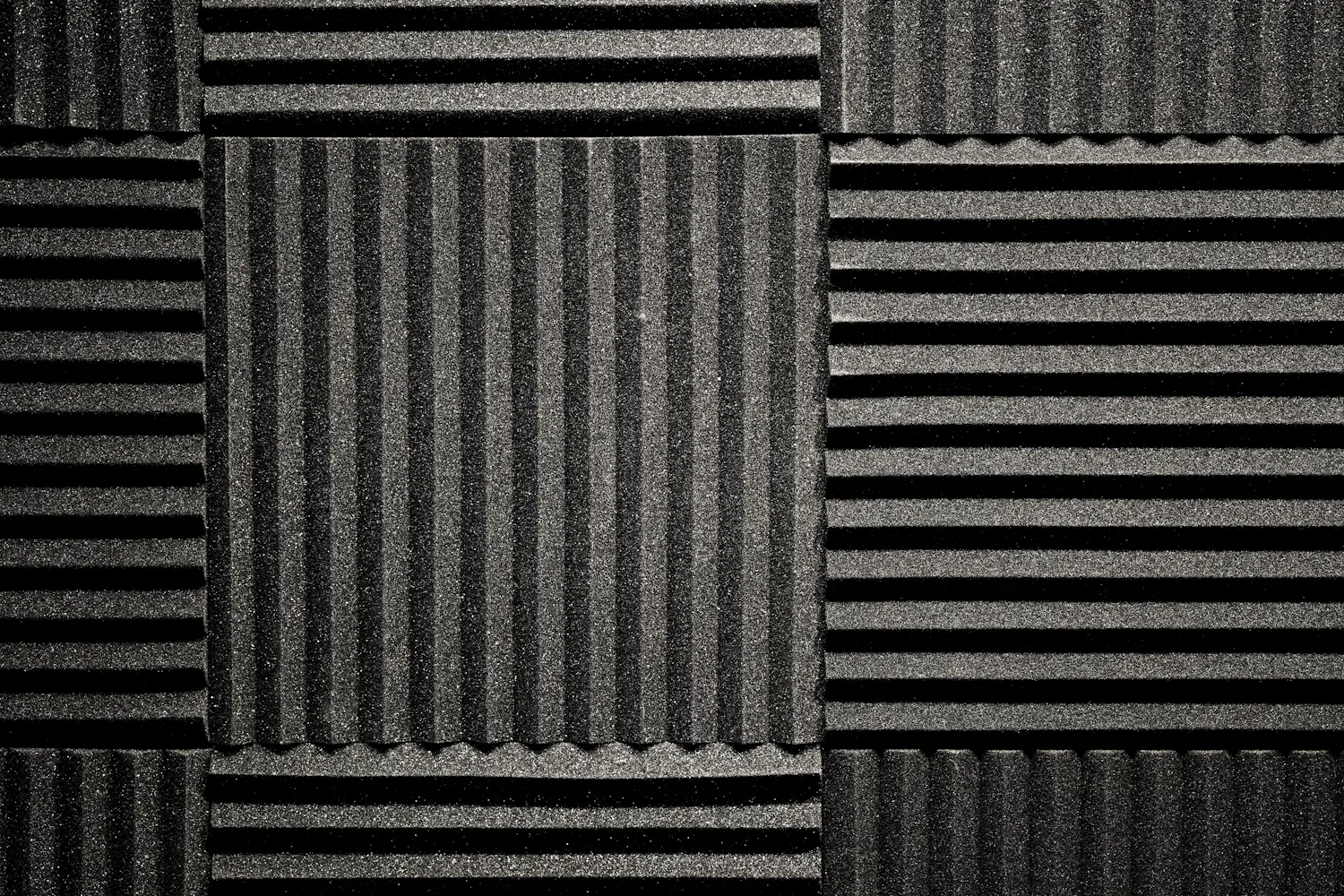
- a bare 76 m³ room rings for this long
- 1.08 s
- the same room with 20 m² of panels
- 0.45 s
- the target for music and film
- 0.3 to 0.5 s
- the fall that reverberation time measures
- 60 dB
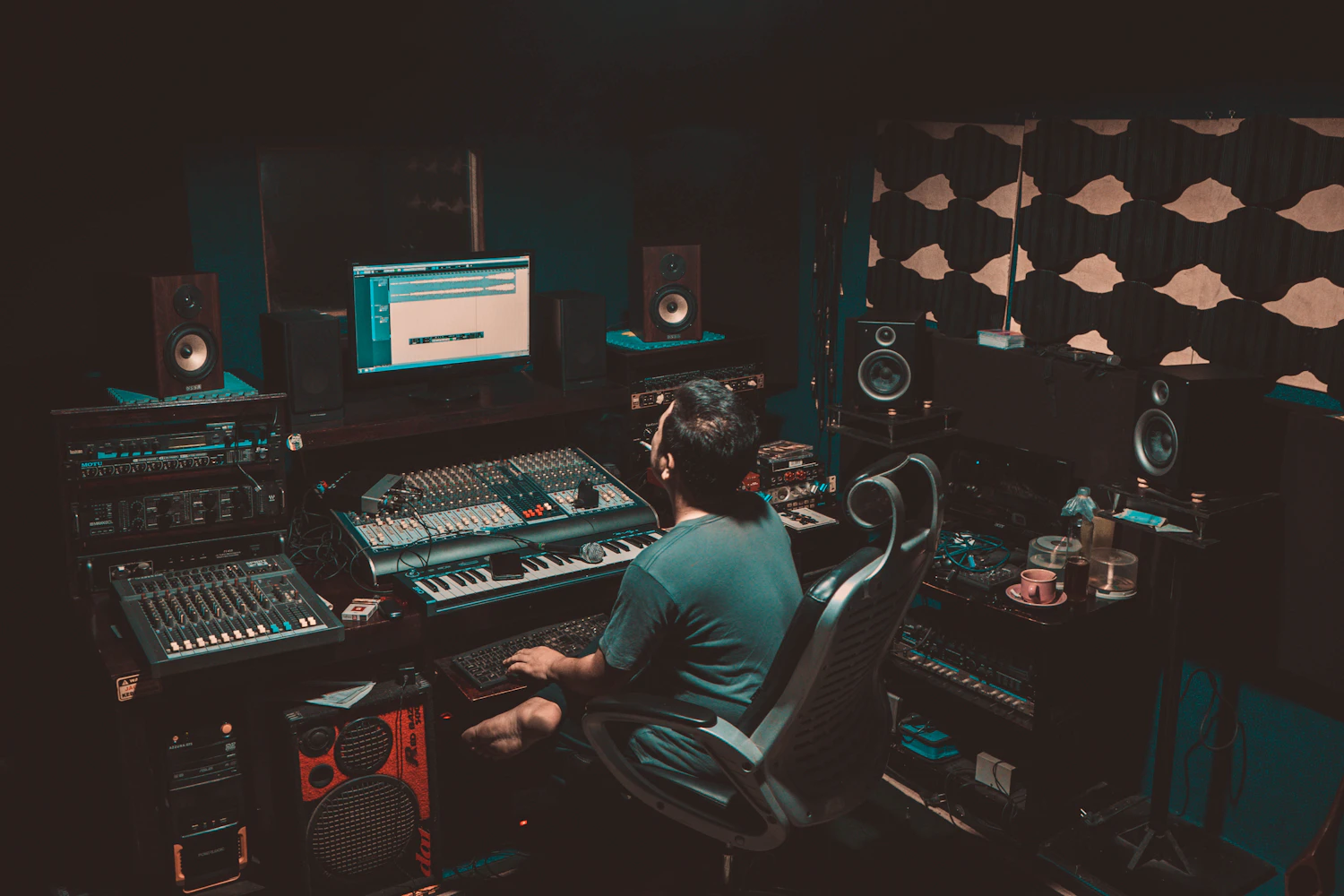
What is room acoustics?
A room is the last part of every sound system. Hard floors, glass and plaster bounce sound around, so speech blurs and music loses its detail, however good the equipment is.
- Clearer speech in every seat
- Tighter, more even bass
- Panels that suit the room’s design
- Measured before and after

Acoustics in brief
Acoustic treatment controls those reflections and calms the bass. We measure the room first, then treat what matters, with panels that fit the design. The result is a room where you hear the music or the film, not the room.
Hear the music, not the room
In a bare room, sound rings for about a second and blurs whatever comes next. Panels take those late reflections away.
- Reverberation
- 1.08 s
- Target
- 0.3 to 0.5 s
- Panels
- 0 m²
Worked out from published specifications and standard sums for sound. A guide to how a room behaves, not a measurement of yours. Sound is shown as one note, slowed about 150 times, so you can see it move.
- 01The thick line is the sound you want. The thin ones reach you late, off the walls.
- 02Reverberation time is how long a sound takes to fade by 60 dB.
- 03Add panels, and the curve falls into the target for music and film.
What a room does to sound
- 01
First reflections
Sound off the nearest walls reaches you just after the direct sound and smears it. Panels at those points clear it up.
- 02
Bass that builds up
Long waves pile up in corners and at certain seats. Traps and careful subwoofer placement even them out.
- 03
How long a room rings
Reverberation sets how clear speech and music are. Hard rooms ring for a second; a treated room settles in under half that.
- 04
Correction after treatment
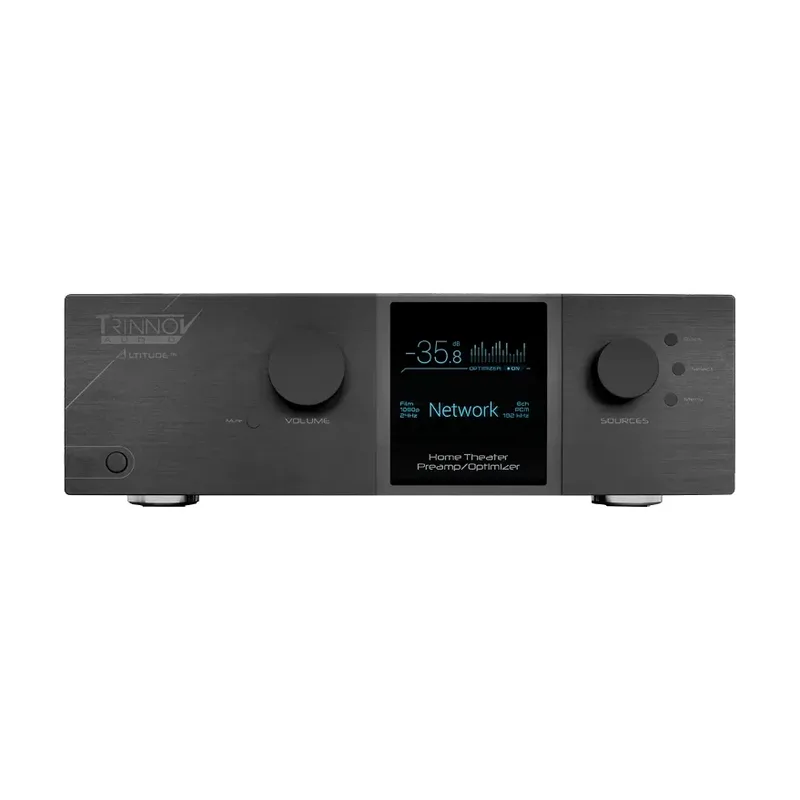
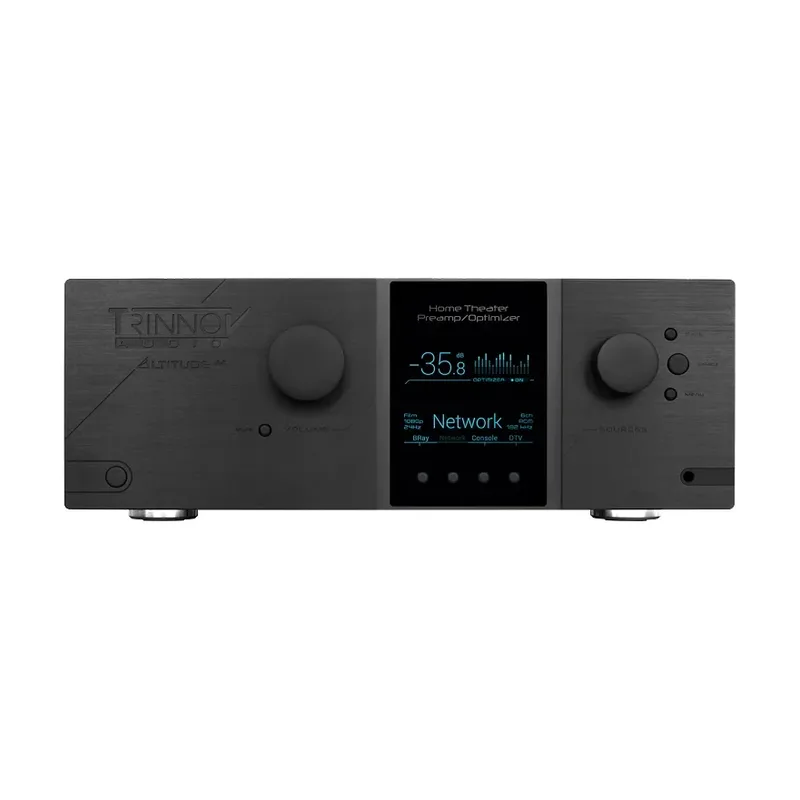
Digital correction such as Trinnov then measures the room at the seat and refines what panels can't reach.
Plan your room
Move the sliders to your own sizes for a first estimate.
- Volume
- 76 m³
- Bare room rings for
- 1.08 s
- Panels for 0.4 s
- 24 m²
- Share of surfaces
- 21%
A first estimate from standard formulas. We confirm it once we have seen the room.
What goes in it
| Part | What it does | What to look for | See products |
|---|---|---|---|
| Absorption panels | Take out reflections from the walls and ceiling. | Thick enough to work at speech and music frequencies, in a finish that suits the room. | |
| Bass traps | Calm the boom that builds in corners. | Depth: bass needs much more than a thin panel. | |
| Diffusers | Scatter sound, so a room stays lively without echoes. | Placement behind the seats in larger rooms. | |
| Isolation | Keeps sound in and noise out. This is separate from treatment. | Mass and airtightness. Panels alone won't stop sound leaving a room. | |
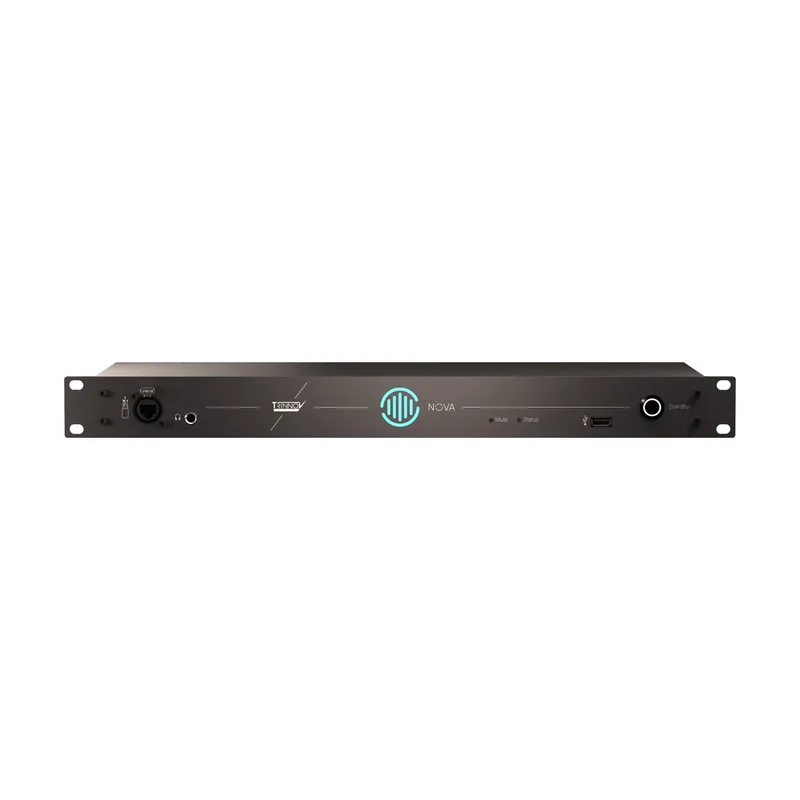
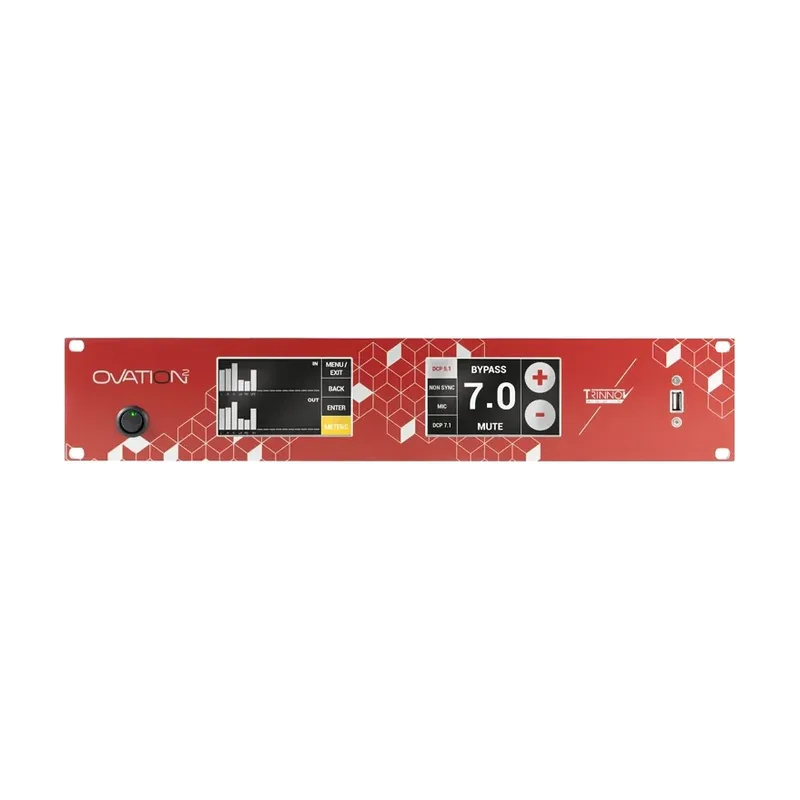
| Digital room correction | Measures the room at the seat and corrects what's left. | Processing like the Trinnov Altitude and Weiss DSP models shown here. | See products |
Room guide
Worked out by Sabine's formula, for hard walls, ceiling and floor, with panels that take in most of the sound reaching them.
| Room | Volume | Bare room | Panels for 0.4 s |
|---|---|---|---|
| 4 × 3.5 × 2.8 m | 39 m³ | 0.90 s | 11 m² |
| 6 × 4.5 × 2.8 m | 76 m³ | 1.08 s | 24 m² |
| 8 × 6 × 3 m | 144 m³ | 1.29 s | 50 m² |
How we do it
- 01
Measure
We measure reflections and bass build-up at the seats.
- 02
Propose
Panels and traps are chosen and placed to fit the room's design.
- 03
Install
Treatment goes in, in fabrics and finishes that suit the room.
- 04
Measure again
We repeat the measurements, so you can see what changed.
Measure first
We measure reflections and bass build-up in your room, then propose panels and traps that fit the design, from a majlis to a cinema.
Questions
5
Will treatment change how the room looks?
It does not have to: fabric finishes and hidden traps blend into the interior.
Isn't digital room correction enough?
It helps a great deal, mainly with bass. It can't remove echoes in time, so it works best after the room is treated.
What's the difference between isolation and treatment?
Isolation keeps sound in or out. Treatment controls how sound behaves inside the room. They need different materials.
Can a majlis with hard floors be fixed?
Yes. Rugs, fabric walls and panels hidden behind finishes can bring speech clarity back without changing the room's character.
How many panels does a room need?
More than most people expect: about a fifth of the surfaces in a hard room. The room guide shows typical areas.
Three ways to build it
Real products from our catalogue, as a starting point. Every system is then adjusted to the room.
Measure and correct
Room correction for a stereo system, before any building work.
Cinema correction
A processor that measures every speaker at every seat.
Reference room
Full correction for the largest rooms, alongside treatment.
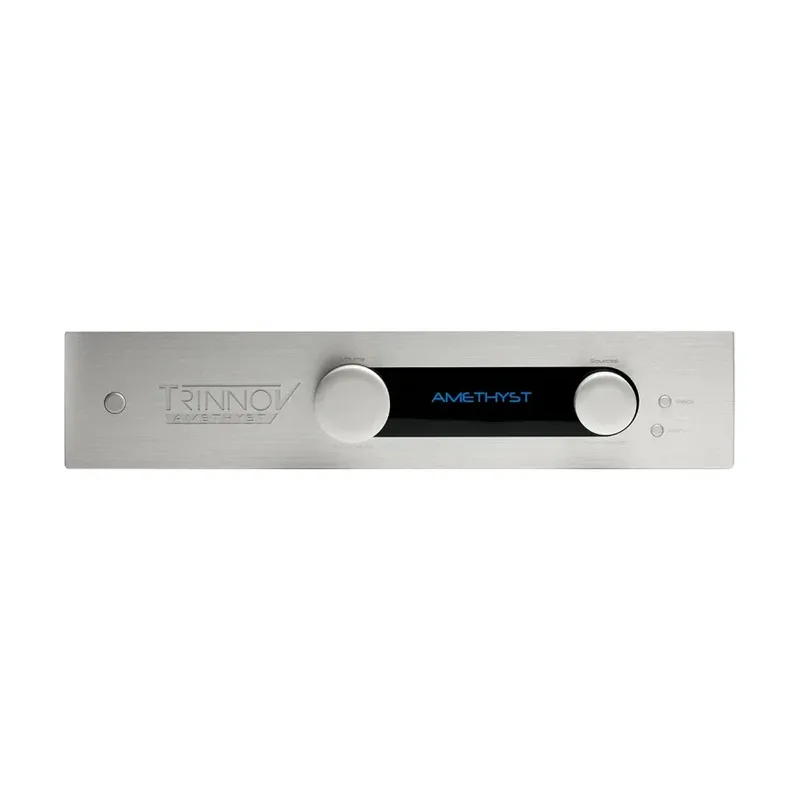
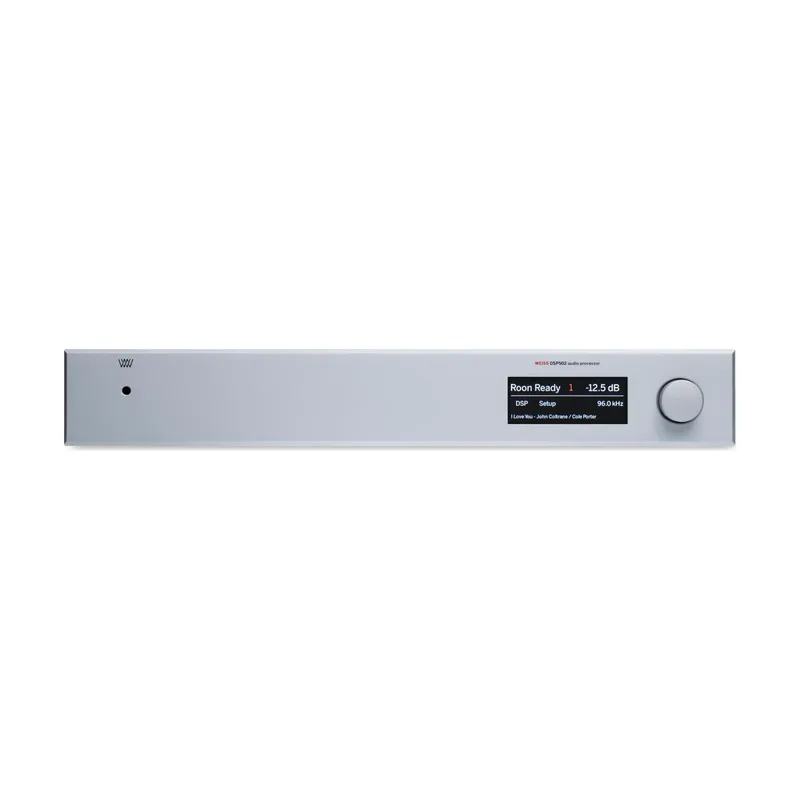
Products for this room
How we can help
- Design and installationFrom the first drawing to the last cable: one team designs, installs and hands over.
- Acoustics and calibrationMeasured treatment and set-up for cinemas and hi-fi systems, new or existing.
- Repairs and AMCRepairs and annual maintenance contracts for audio, video and control systems, including ones we did not install.
Plan it with a specialist
Tell us about the room and how you use it. We reply within one working day.
Book a consultation