Private cinema
Film the way the director mixed it: dark, quiet and immersive, in a room built around the seats.
We design private cinemas from the seat outwards: the screen, the sound around and above you, the seating, the light and the quiet. It can be a dedicated room, or a living room that changes with one press.
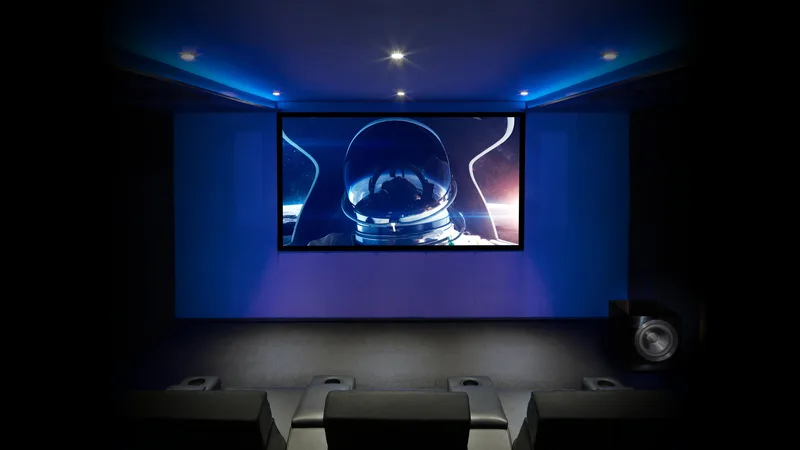
- of your view filled by the screen
- 36°
- channels across these receivers
- 7 to 15
- cinema reference level at the seat
- 85 dB
- reverberation that keeps speech clear
- 0.3 to 0.5 s
What is a private cinema?
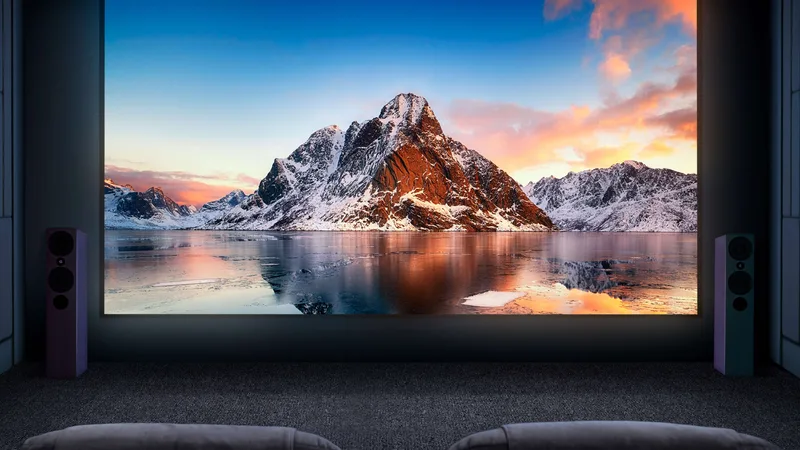
A private cinema is a room designed for one thing: being inside the film. Everything starts from the seat. The seat sets the screen size, the screen sets the room, and the room sets how many speakers surround you.
- A screen sized to your seat, not to the wall
- Sound from the front, sides, behind and above
- Dark, quiet and comfortable for a full film
- One remote or keypad to run it all
Private cinema in brief
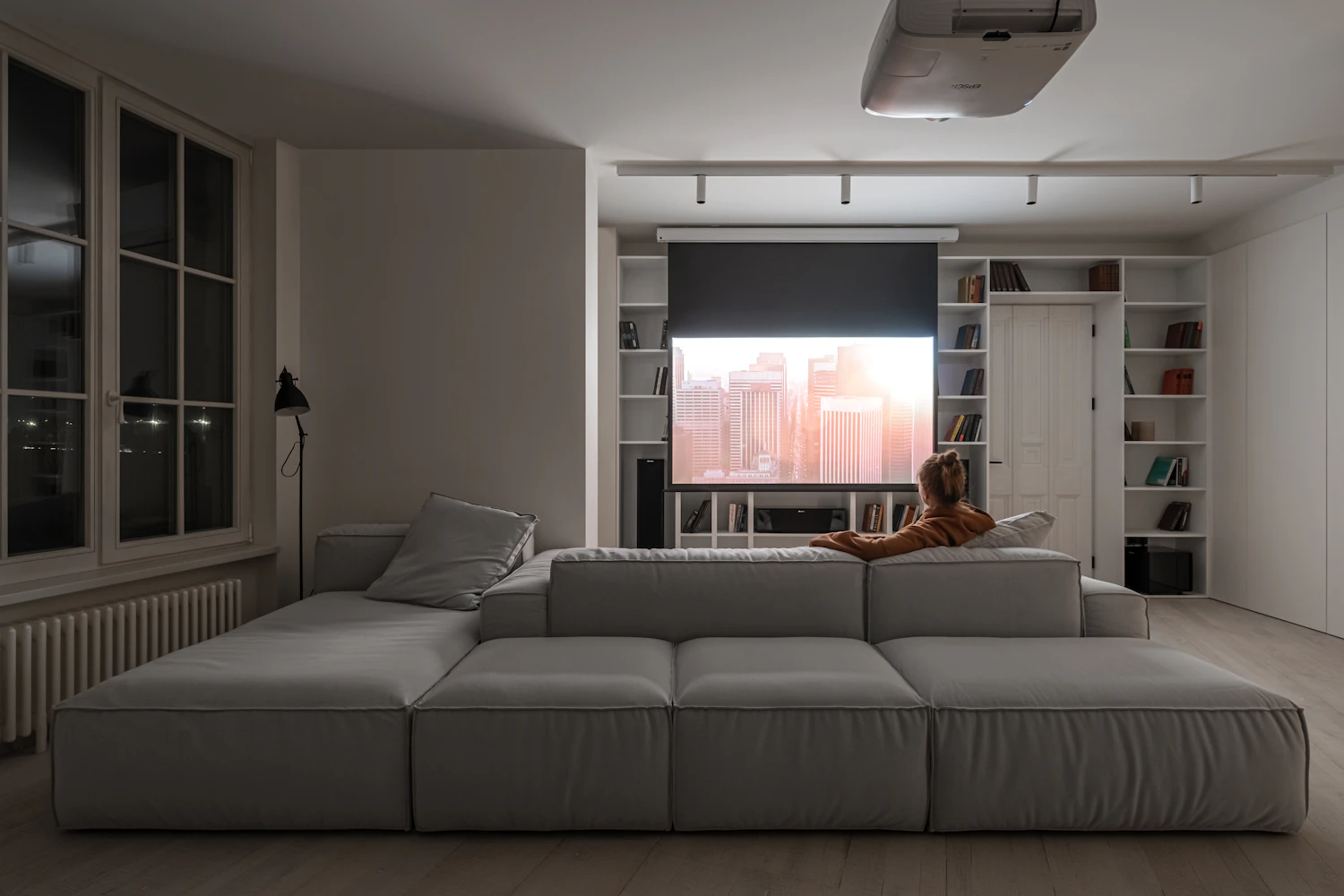
It can be a dedicated room or a living room that changes at the press of a button. Either way, the aim is the same as the mixing stage where the film was finished: a large picture, clear speech, deep bass and sound that moves around you and overhead, with the rest of the house shut out.
Sound that moves around the seat
A cinema room is worked out from the seat: how much of your view the screen fills, and how many speakers surround you.
- Channels
- 7
- Layout
- 5.1.2
- Seat to screen
- 4.1 m
- Screen width
- 2.7 m
Worked out from published specifications and standard sums for sound. A guide to how a room behaves, not a measurement of yours. Sound is shown as one note, slowed about 150 times, so you can see it move.
- 01The screen should fill about 36° of your view, so its size sets the best seat.
- 02Each amplifier channel feeds one speaker. More channels add the sides, the rear and the ceiling.
- 03Watch a sound travel the room, then choose a receiver to see its layout.
What makes a cinema feel like one
- 01
Sound with height
Dolby Atmos and DTS:X place sounds in the room, not just in channels. Speakers overhead let rain fall and aircraft pass above you.
- 02
A picture built for the dark
Native 4K, deep blacks and a screen sized to the seat matter more than raw brightness in a room where you control the light.
- 03
Seats with clear sight lines
A second row sits higher, on a riser, so every guest sees the whole screen. Speakers are placed for all the seats, not one.
- 04
Quiet and darkness
Dark walls stop light bouncing back onto the screen. Isolation keeps the film in, and quiet air conditioning keeps it free of noise.
Plan your room
Move the sliders to your own sizes for a first estimate.
- Largest screen
- 110″
- Best seat
- 3.7 m
- Speaker layout
- 7.1.4
- Speakers in total
- 12
A first estimate from standard formulas. We confirm it once we have seen the room.
What goes in it
| Part | What it does | What to look for | See products |
|---|---|---|---|
| Screen and projector | Puts the picture in front of you at the size the seat calls for. | Brightness to suit the screen's width, native 4K, and a screen that fits the seating. | See products |
| Receiver or processor | Decodes the film's soundtrack and sends each sound to the right speaker. | Enough channels for your layout, Dolby Atmos and DTS:X, and room correction. | See products |
| Power amplifiers | Drive the speakers. A receiver has them built in; larger rooms use separate ones. | Power for the room's length, with headroom for loud scenes. | See products |
| Speakers | Three across the front carry speech and action; the rest put you inside the scene. | Matching fronts, so a voice doesn't change as it crosses the screen, and even cover of every seat. | See products |
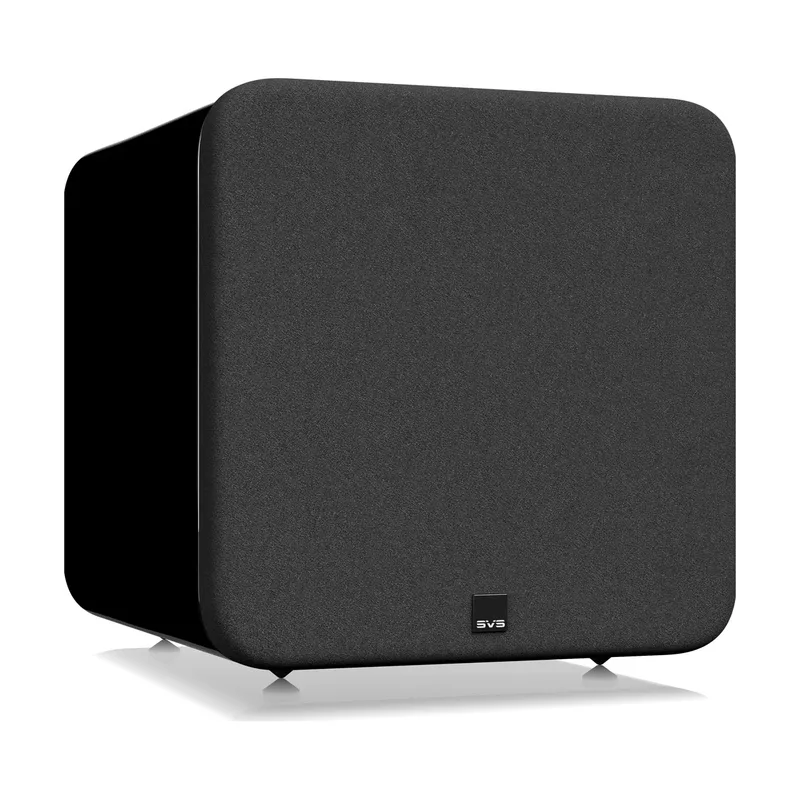
| Subwoofers | Move the air for the deepest effects. | Two or more, placed to even out the bass across the seats. | See products |
Compare products
| Specification | AVR-X2800H Black | AVC-X4800H Black | AVC-X6800H Black | AVC-A1H Black |
|---|---|---|---|---|
| Channels | 7 | 9 | 11 | 15 |
| Power | 95 W | 125 W | 140 W | 150 W |
| Dolby Atmos | Yes | Yes | – | Yes |
| DTS:X | Yes | Yes | – | Yes |
| IMAX Enhanced | – | Yes | Yes | Yes |
| Auro 3D | – | Yes | Yes | Yes |
| Weight | 9.5 kg | 13.4 kg | 15.6 kg | 32 kg |
Room guide
The screen sets the seat, and the seat sets the room. Sizes are for a 16:9 screen filling 36° of your view.
| Screen | Screen width | Best seat | Room length from | Suggested layout |
|---|---|---|---|---|
| 100″ | 2.2 m | 3.4 m | 5.4 m | 5.1.2 |
| 120″ | 2.7 m | 4.1 m | 6.1 m | 7.1.4 |
| 150″ | 3.3 m | 5.1 m | 7.1 m | 9.1.6 |
How we do it
- 01
Survey the room
We measure the room, its doors and windows, and what sits behind each wall, then fix the best seat.
- 02
Design from the seat
Screen size, speaker positions and rows of seating are drawn before anything is ordered.
- 03
Build and install
Cabling, treatment, screen and speakers go in, in that order, by one team.
- 04
Calibrate and hand over
Each speaker is matched for level and timing at the seats, then we show you how to run it.
Designed around the seats
We start from where you sit: screen size, viewing distance and speaker positions follow from the seating plan, not the other way round.
Every seat gets a clear view and balanced sound.
Quiet by design
Isolation and treatment keep the film in and the household noise out, so dialogue stays clear at any volume.
Questions
5
How big does the room need to be?
Most private cinemas we build are 4 × 6 m or larger, but we design for the room you have.
Do I need a dedicated room?
No. A living room can hide speakers in walls and ceilings and use a drop-down screen. A dedicated room gives you better control of light and noise.
Projector or large TV?
A projector gives the larger picture but needs a dark room. If the room has to stay bright, a large TV is the better choice, and the sound design stays the same.
How many speakers do I need?
Five at ear level, a subwoofer and two or four overhead suit most rooms. Larger rooms with two rows benefit from more.
Can it play music too?
Yes. The Denon receivers shown here include HEOS streaming, and they play stereo music through the same speakers.
Three ways to build it
Real products from our catalogue, as a starting point. Every system is then adjusted to the room.
Living-room cinema
A projector and hidden speakers in a room you use every day.
Dedicated room
A room built for film, with a motorised screen and in-wall speakers.
Reference cinema
A cinema-grade processor, a cinemascope screen and serious bass.
Products for this room
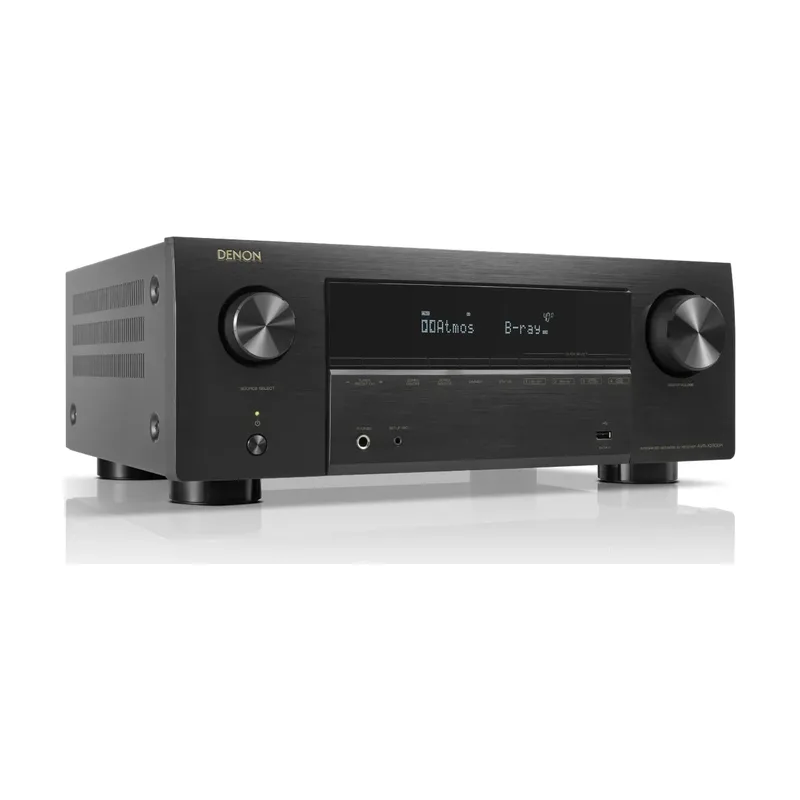
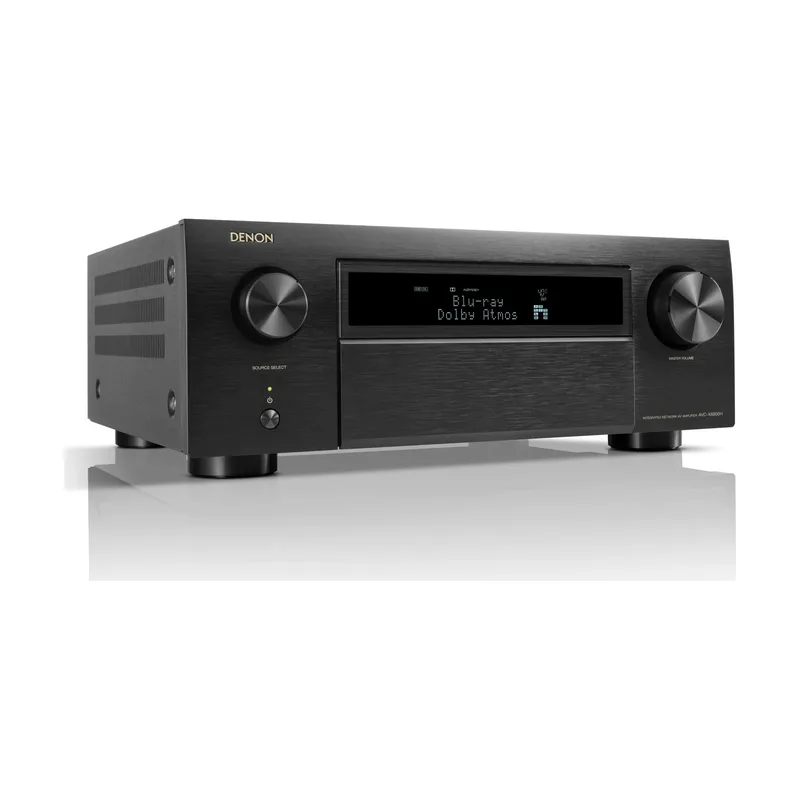 NewDenonAVC-X6800H BlackPrice on requestCheck availability
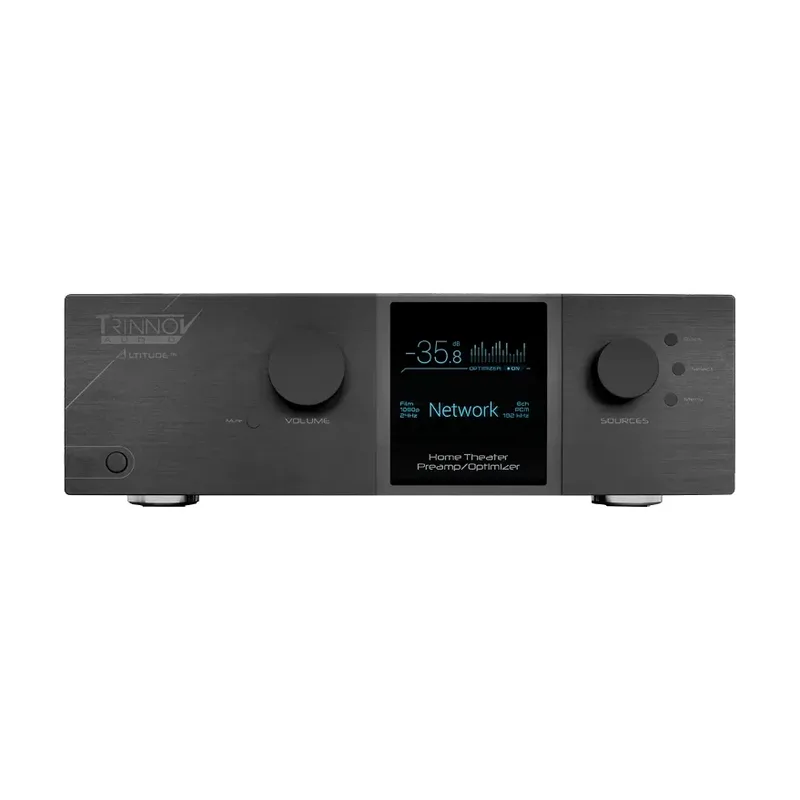 TrinnovAltitude16Price on requestCheck availability
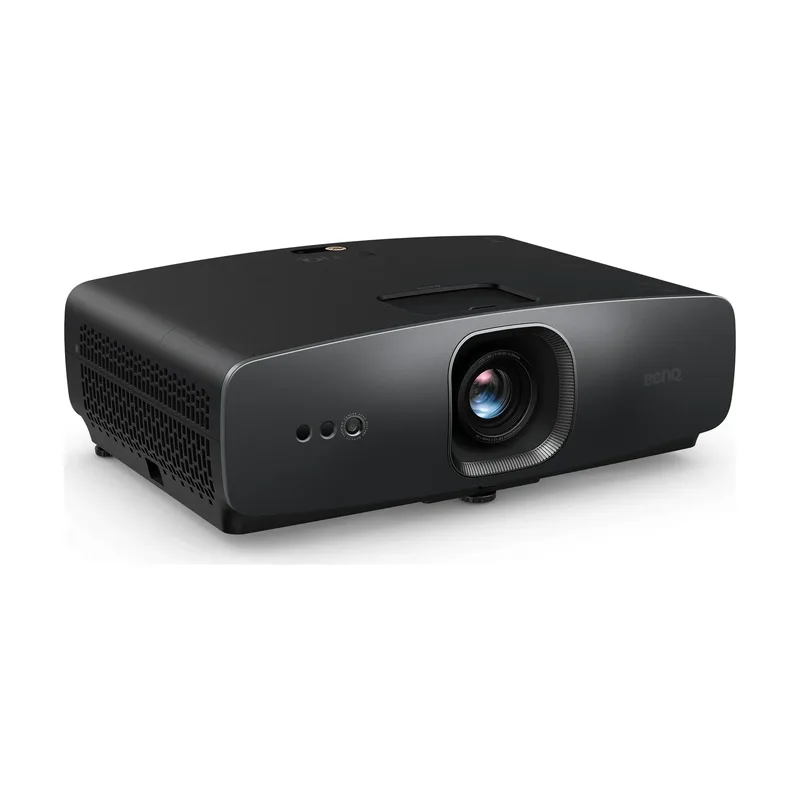
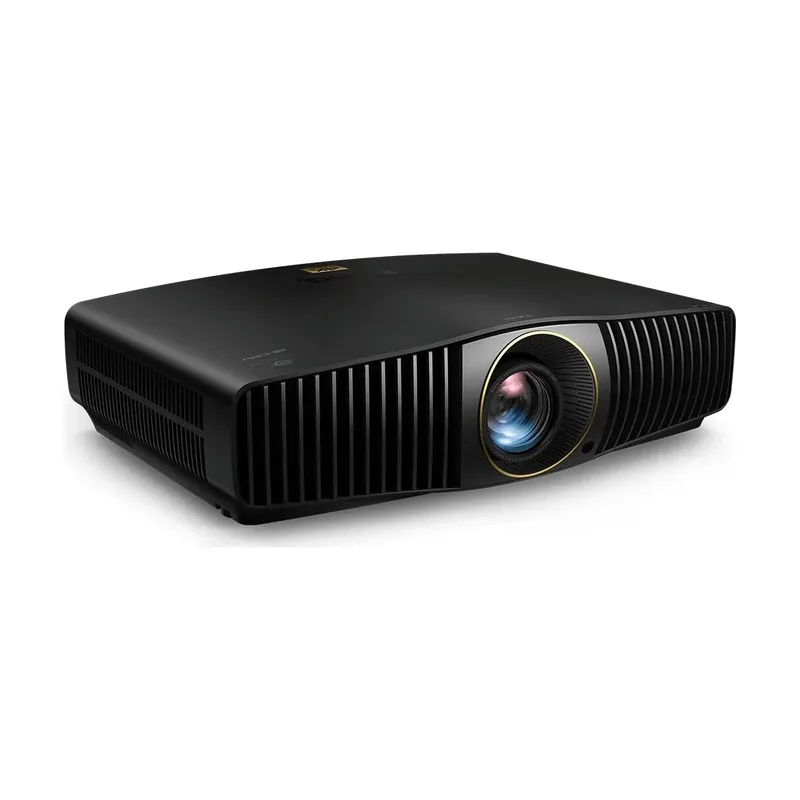
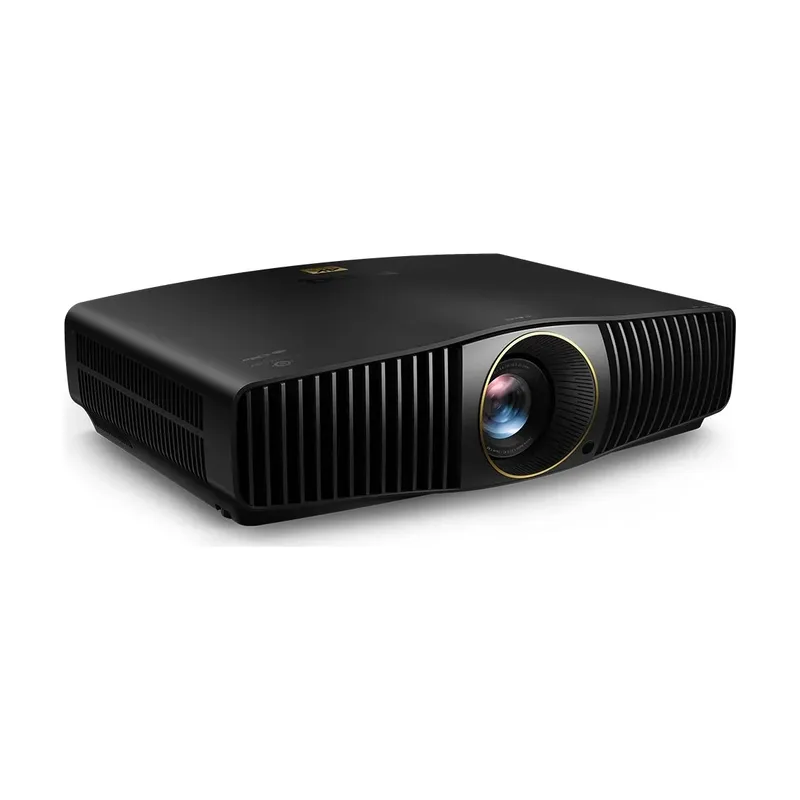 BenQW5800Price on requestCheck availability
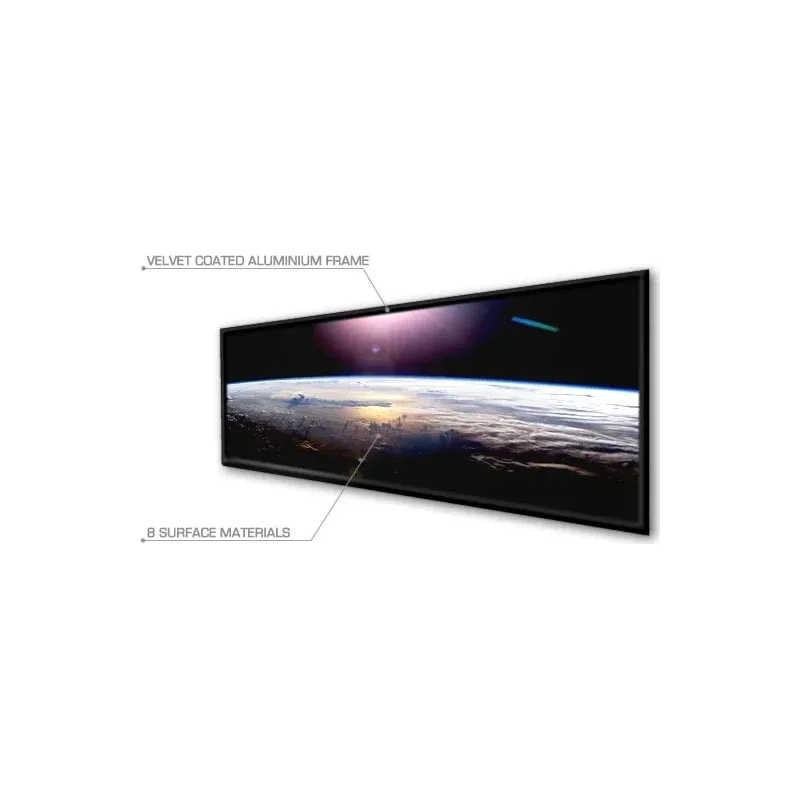
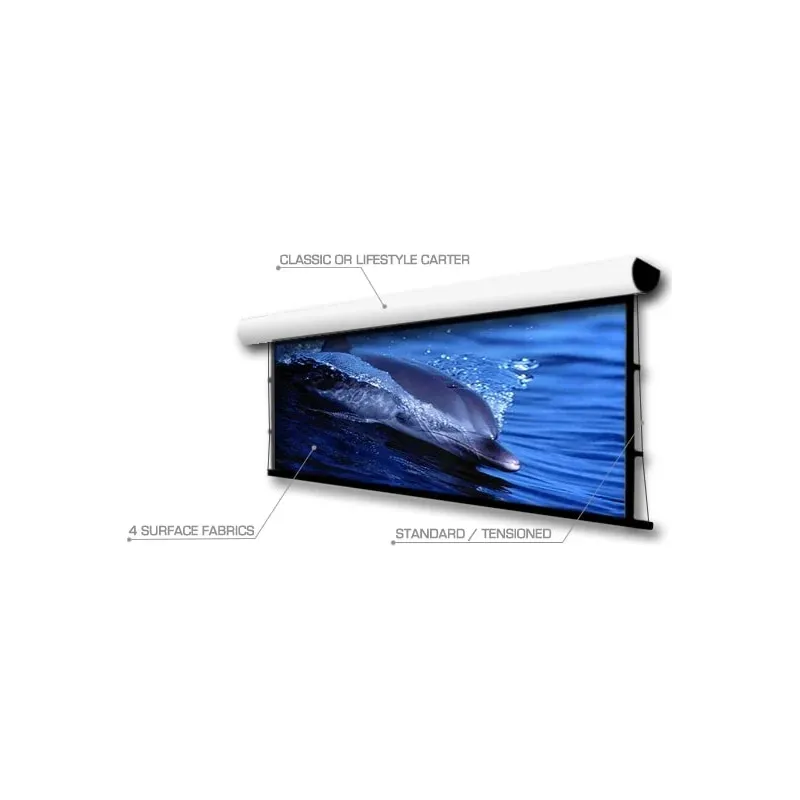 Dream VisionMotorized & LS ScreenPrice on requestCheck availability
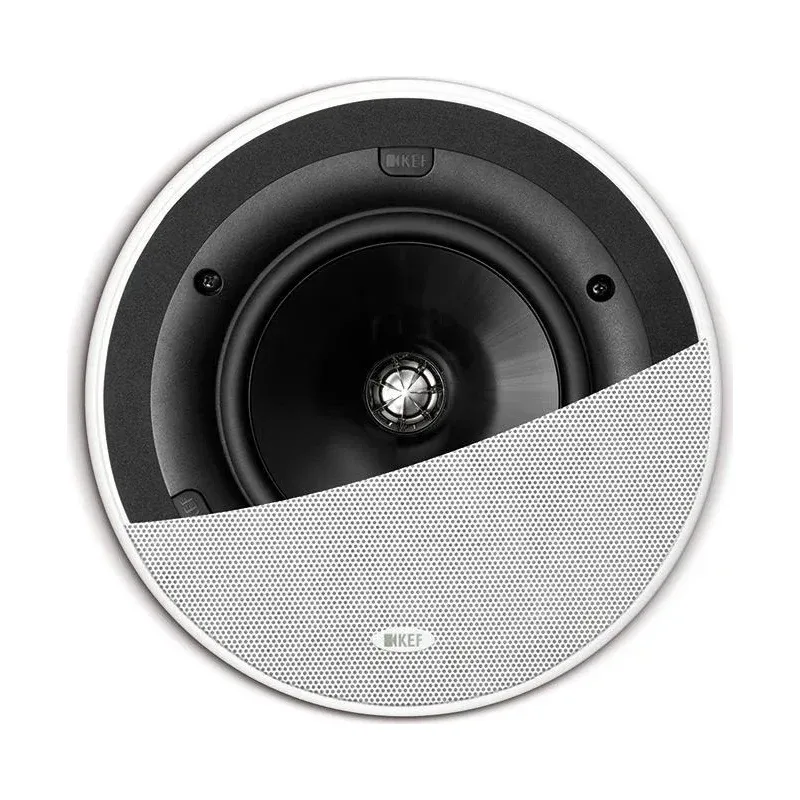
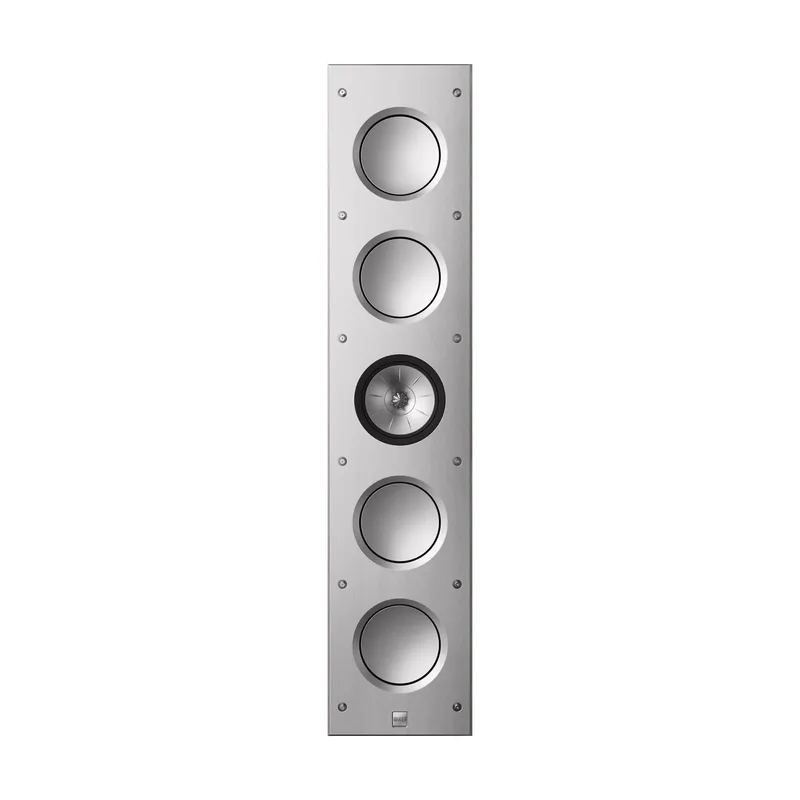 KEFCi5160RLM-THXPrice on requestCheck availability
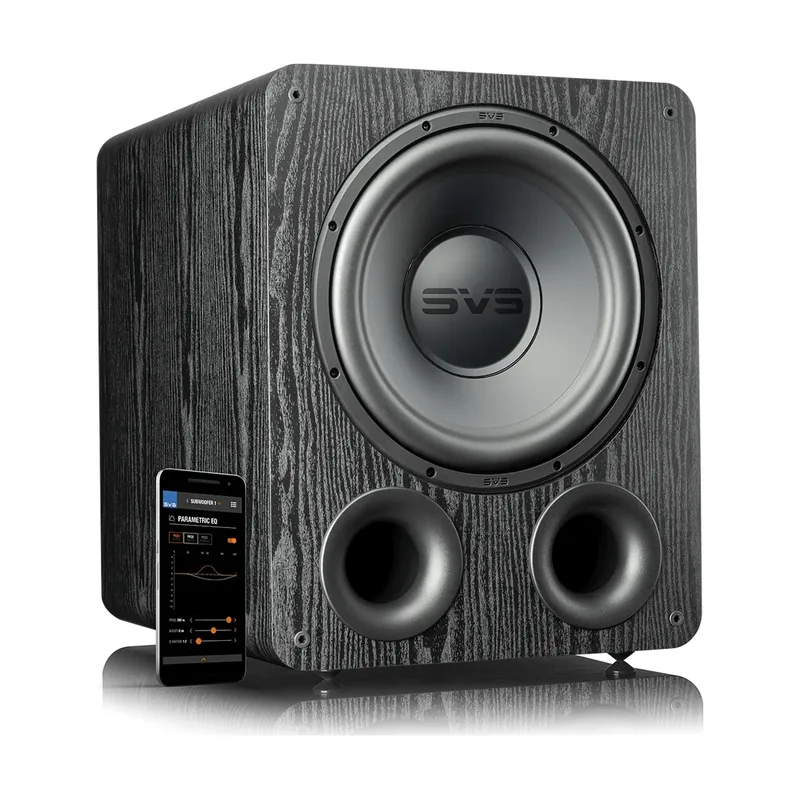 SVSPB-1000 ProPrice on requestCheck availability
How we can help
- Design and installationFrom the first drawing to the last cable: one team designs, installs and hands over.
- Acoustics and calibrationMeasured treatment and set-up for cinemas and hi-fi systems, new or existing.
- Repairs and AMCRepairs and annual maintenance contracts for audio, video and control systems, including ones we did not install.
Plan it with a specialist
Tell us about the room and how you use it. We reply within one working day.
Book a consultation