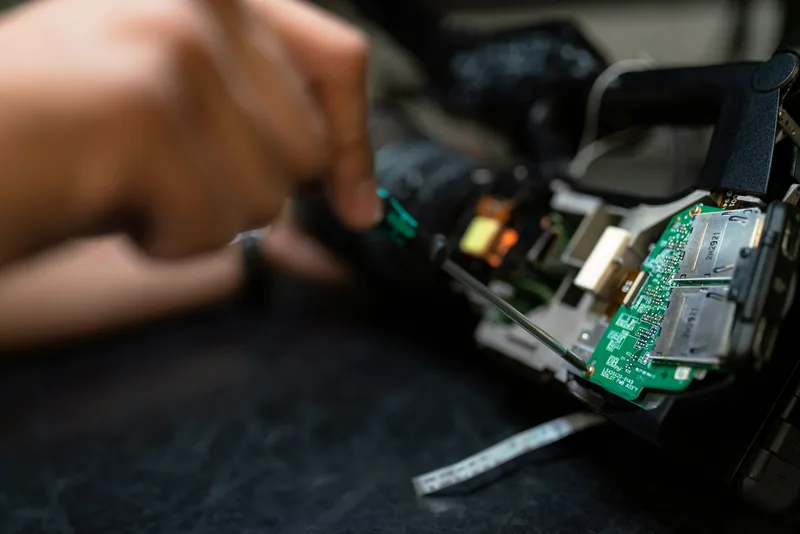
Repairs and AMC
A system needs looking after. Call us when something goes wrong, or put a contract in place so it rarely does.
Why good systems stop working
Audio, video and control systems wear slowly and fail suddenly. Dust settles in amplifiers, fans clog, software falls behind and a connection works loose behind a rack. Then one evening the system won’t start.
A repair puts that right. A maintenance contract works earlier, finding those problems on a planned check before you notice them.
We do both across the UAE, for homes and businesses, and for systems we didn’t install once we’ve assessed them.
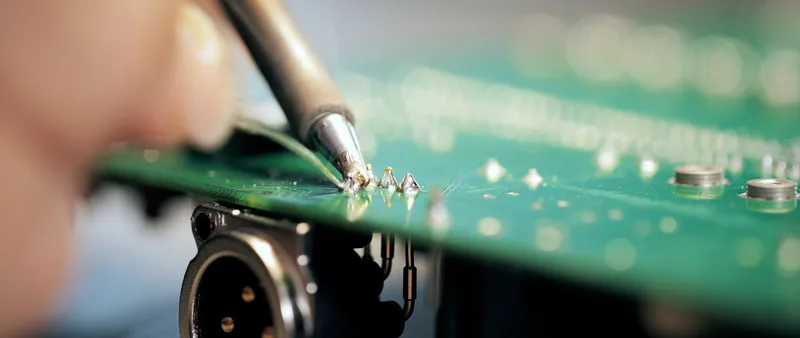
Finding the real fault
The symptom is often not the cause. A silent speaker can mean a blown driver, a dead amplifier channel or a bad cable.
Symptoms, then tests
We start with what you saw or heard, then test each part in turn until the cause is clear.
Where the system stands, where possible
Most faults are fixed on site. Anything that has to come away is quoted first, and goes only once you’ve approved the cost.
Parts for older equipment
We look for the correct part for your unit, and tell you early if it’s no longer available.
A price before the work
You get a written quotation once the fault is known, and nothing is repaired until you’ve agreed it.
What we repair
Speakers and subwoofers
Failed drivers, crossovers and perished surrounds in free-standing, in-wall and ceiling speakers, and subwoofers that have gone quiet.
Amplifiers and AV receivers
No sound, a dead channel, overheating, or a unit that drops into protection and shuts itself down.
Screens and projectors
No picture, failed inputs and fading brightness, on wall screens, projectors and motorised projection screens.
Control systems
Dead keypads and touch panels, failed processors and lost settings, including systems whose first installer has gone.
Streaming and multi-room
Rooms that drop out, players that vanish from the app, and sources that stopped working after an update.
Business audio and cabling
Paging and background music in offices, shops and warehouses, plus broken cable runs and noisy connections anywhere.
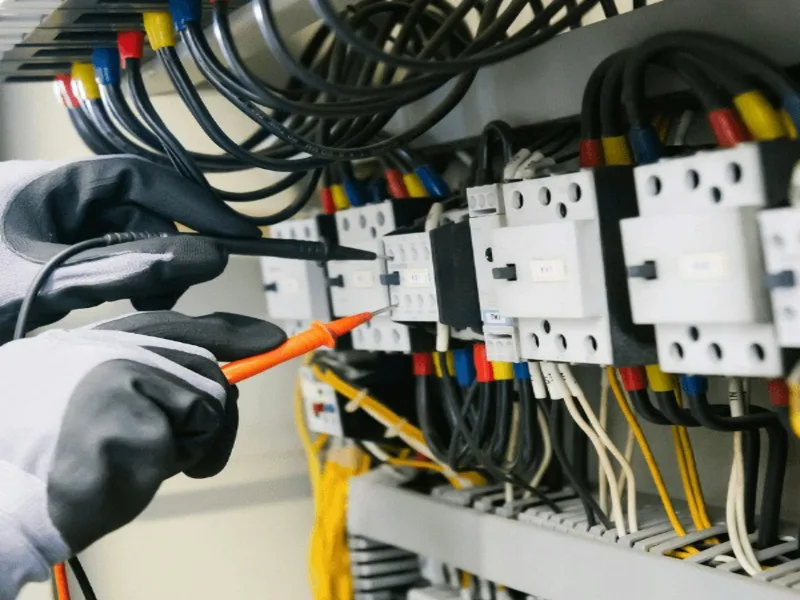
What a planned visit finds
Most failures give warning, if someone looks behind the screen and inside the rack.
Dust and heat
We clean filters and fans and check rack temperatures, because heat shortens the life of electronics.
Updates and backups
We check for updates, apply the ones that suit your setup, and keep a backup of your settings.
Connections and cables
Terminations and speaker connections loosen over time and cause faults that come and go, so we check them.
Sound and picture drift
Where a room has drifted from its settings, we tell you and book a calibration if it’s needed.
What a maintenance contract can cover
A contract is built around your system, so there’s no fixed package. Each point below is agreed with you.
Visits
How often we come, and when, is agreed around your system and how hard it works.
Checks and reports
The contract lists what is inspected, cleaned, tested and updated at each visit, and the report you get afterwards.
Equipment in scope
We list the equipment covered, so you can see exactly what’s included and what sits outside.
Reporting a fault
You agree with us how faults are reported and handled, including when remote support comes first.
Parts and labour
The contract states whether parts and repair labour are included, or quoted separately when they’re needed.
One-off repair or contract
How it starts
A repair starts when something fails. A contract starts before that, with a survey of the whole system.
What gets looked at
A repair deals with one fault. A contract looks at everything in scope, on planned visits.
How you pay
A repair is quoted job by job. A contract sets out its cost and scope in advance.
Who each one suits
Repairs suit a simple system with light use. Contracts suit offices, venues, several properties and systems you rely on daily.
Fixed without a visit
Many faults can be found and fixed over the internet, where your system allows it.
What we can do remotely
We can check device status, restart equipment, change settings and restore a saved setup from our side.
With your agreement
Remote access is set up with your agreement, and you decide whether it stays on or runs on request.
What your system needs
Your equipment has to support it, over a working network connection. We check both during the assessment.
When hands are needed
A failed part needs a visit, but remote checks mean we arrive knowing what’s wrong and what to bring.

When repair stops making sense
Sometimes a repair costs too much, or the parts have gone. We set out your options and what each costs.
Repair or replace
We compare the repair with a replacement, weighing the unit’s age, its parts and what you need from it.
Keep what’s still good
Good speakers and cabling often outlast the electronics, so an upgrade rarely has to replace the whole system.
Like for like, or better
A replacement can match what you had, or add what’s changed since, such as streaming or newer video formats.
Bigger changes
If a room is changing or you’re adding one, we pass your records to our design and installation team.
From fault report to working system
Tell us what’s wrong
A description, photos or a short video help us come prepared.
Assess the fault
We check remotely or on site. You get a written quotation before any work.
Repair and test
Once you’ve approved the cost, we repair it, test it as you’d use it and note what we did.
Keep it running
If you want, we survey the whole system and propose a contract built around it.
Repair and contract questions
Do you repair systems you didn’t install?
Yes, after an assessment. We tell you honestly if it’s worth repairing.
What does an AMC include?
It’s built around your system. The contract sets out the equipment, the visits, the checks and what’s covered.
Can one contract cover several properties?
Yes. Scheduling and billing can sit under one agreement, with records kept per property.
Could a repair affect my warranty?
It can. Tell us if a unit may still be under the manufacturer’s warranty before anyone opens it.
Tell us what’s stopped working
Send us the make and model, a description of the fault, photos or a short video, and who installed the system. For a contract, send your equipment list and the properties to cover.