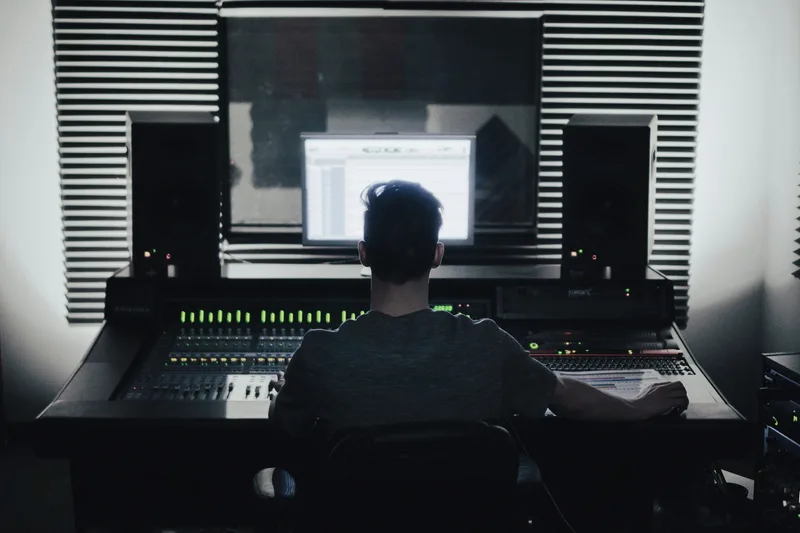
Acoustics and calibration
Measurement shows what the room is doing to your system. Treatment and calibration put it right.
Your room is part of the system
Between your speakers and your ears sits the largest component you own: the room. Much of what reaches your seat has bounced off a wall, the floor or the ceiling first.
You can’t hear that on its own, so it’s easy to blame the wrong thing. People replace amplifiers to fix a problem that lives in a corner.
Measurement separates the two. It shows what the room is doing and what will fix it, sometimes for very little.
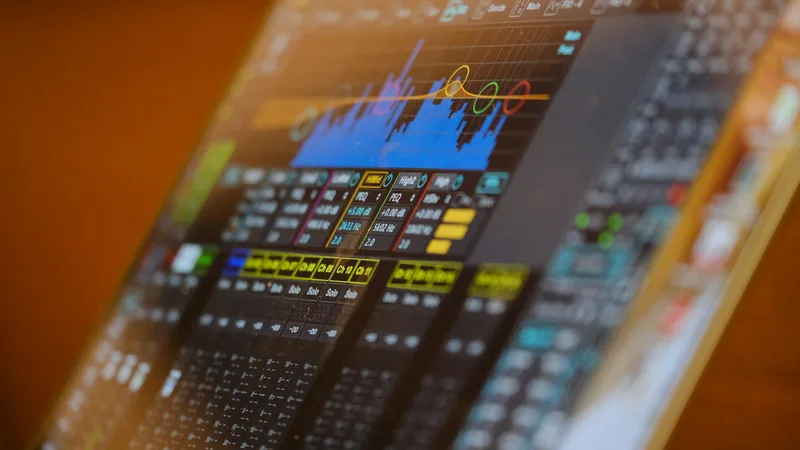
How a room gets measured
A measurement microphone sits where your head goes, and software shows what actually arrives at that spot.
Around your seats
We measure at the main seat and around it, because bass can change within a metre.
Sweeps and noise
A rising tone captures how the room responds over time. Pink noise then checks each speaker’s level.
The quiet floor
Air conditioning and fridges set a background level. We measure it, because quiet detail disappears beneath it.
A baseline first
We record the room before anything moves, which gives every later change a fair comparison.
What we measure, and why it matters
Six measurements describe most of what a room does to a system.
Frequency response
How evenly each pitch reaches your seat. Peaks sound boomy or harsh, and dips sound thin.
Reflections
Sound arriving just after the direct sound. Too much blurs speech and makes instruments harder to place.
Decay time
How long sound lingers after it stops. Too long sounds muddy, and too short sounds dry and lifeless.
Bass modes
Room dimensions boost some low notes and cancel others. A room 5 metres long has its first mode near 34 Hz.
Levels and timing
Every speaker should reach your seat at the same level and moment. Sound travels about 34 cm per millisecond.
Picture
Brightness, black level, white balance and colour are measured, so films look the way they were graded.
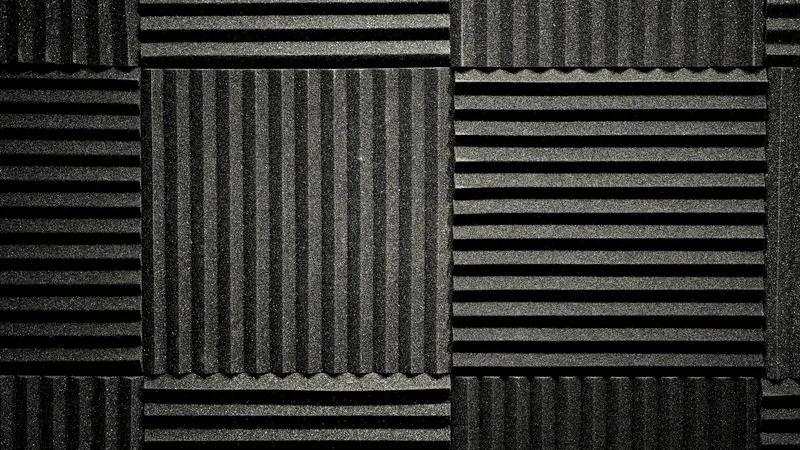
What panels can and can’t do
Treatment absorbs or scatters sound. The right choice depends on the frequencies involved, and some rooms need very little.
Absorption
Soft, porous panels turn sound into a tiny amount of heat. They work best at reflection points.
Diffusion
Shaped surfaces scatter sound instead of soaking it up, which keeps a room sounding lively.
Depth for low notes
Long bass waves pass through thin panels. Bass traps need real depth, usually in corners.
Knowing when to stop
Cover too many surfaces and a room sounds dull and closed in. We treat only what the measurements show.
Panels that suit the interior
Fabric, colour and shape can follow your finishes, and rugs and curtains can do part of the job.
Position first, settings second
Digital correction works best on a system that’s already well set up, so we move things first.
A small move
Moving a speaker away from a wall or changing its angle can solve what no setting will.
Finding the subwoofer’s spot
We try the subwoofer in several places, because a corner adds level but not always even bass.
Correction has limits
Equalisation can lower a peak, but it can’t fill a deep dip caused by sound cancelling itself.
The crossover point
We set where speakers hand over to the subwoofer, often near 80 Hz, so nothing drops out.
The final test is your own music
Numbers get a room close. Your own music and films show whether it’s right.
Hi-fi rooms
Stereo depends on distance and angle. We set both so a singer sits between the speakers.
Cinema rooms
We check dialogue, surrounds and height effects on scenes you know, then adjust what needs it.
Before and after
We measure again, then play the same tracks on the old and new settings so you can judge.
A record you keep
You keep a record of settings and results, ready to restore after an update or repair.
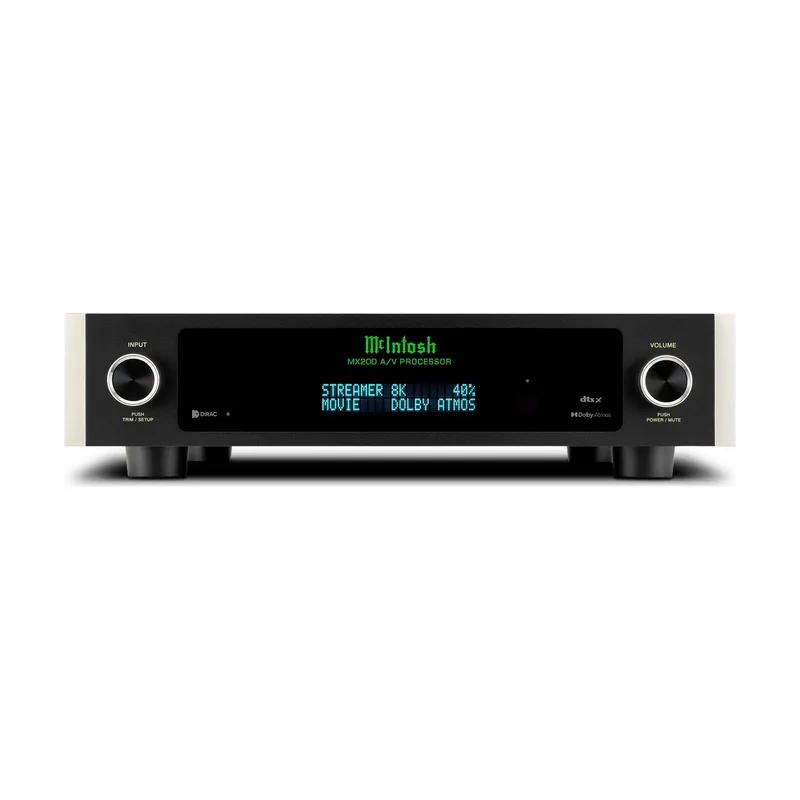
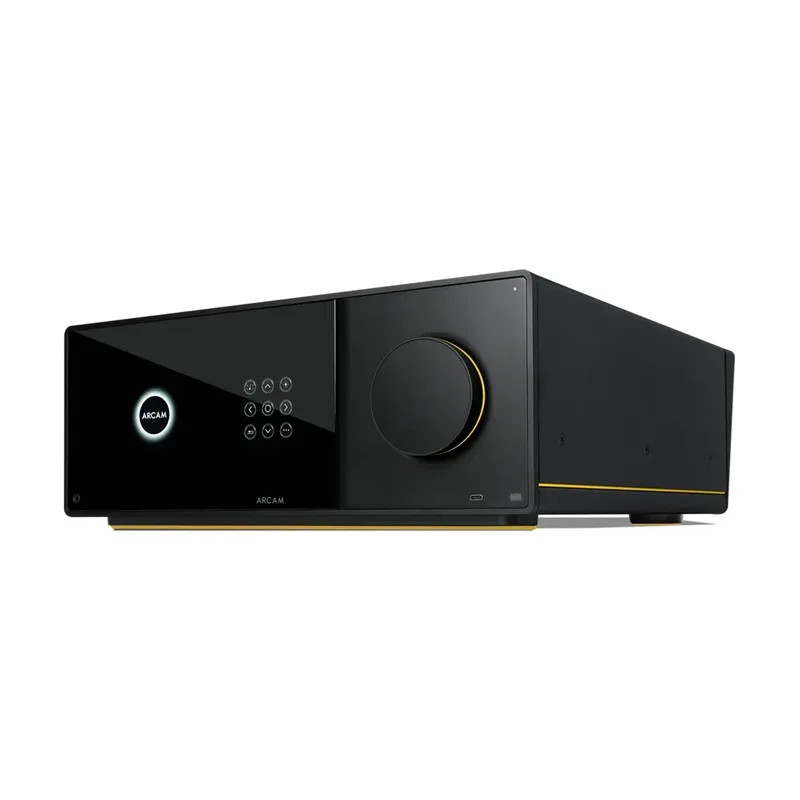
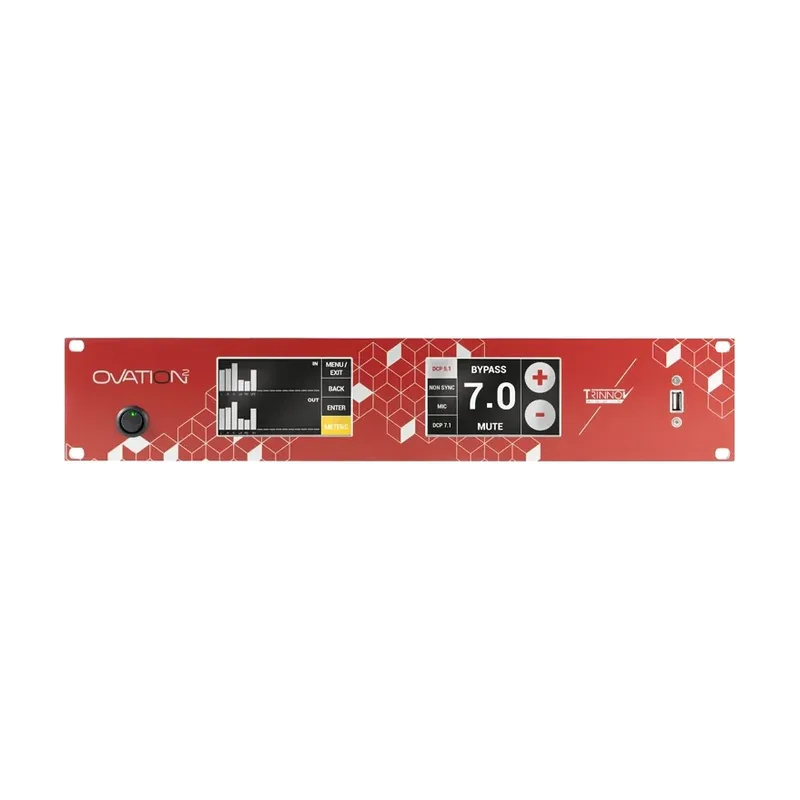
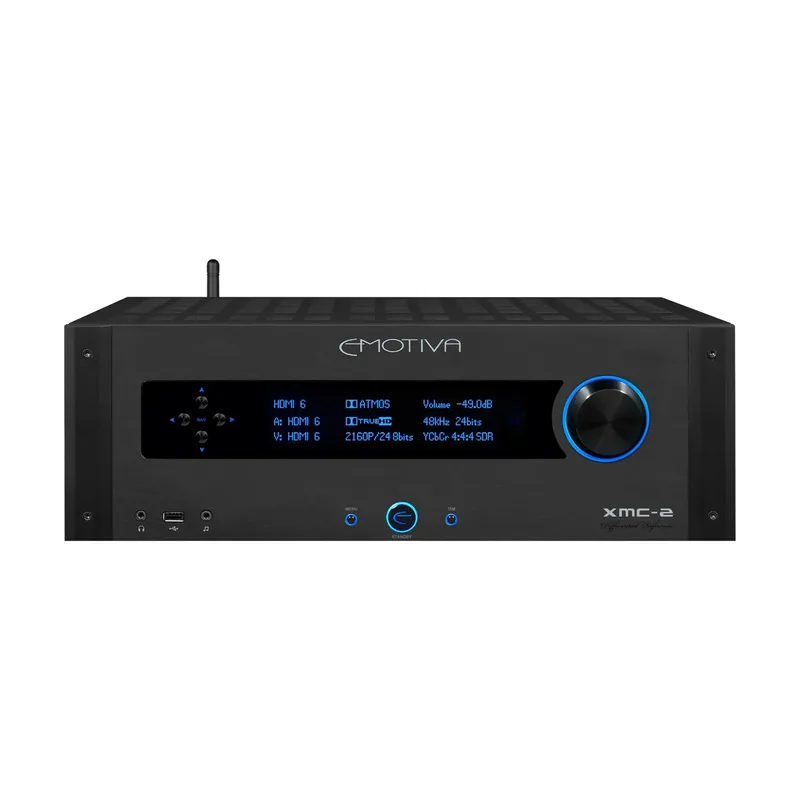
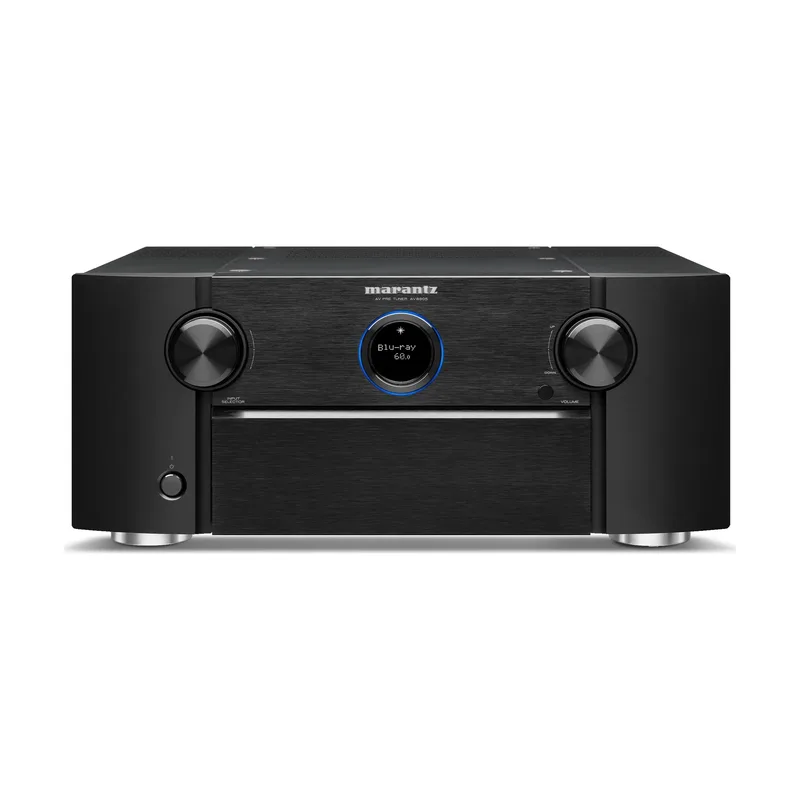
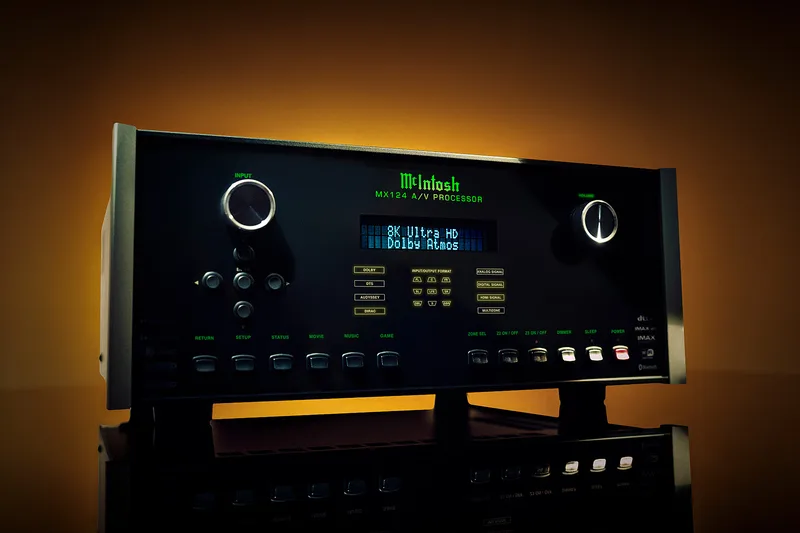
Processors that can hold a calibration
From first listen to final measurement
Hear the problem
We start with what you hear now and what you’d like to change.
Take the measurements
You receive a plain summary of what the room is doing and which results matter.
Move before adding
We adjust placement first, and recommend treatment only where the measurements show it will help.
Treat and tune
Any agreed treatment goes in, then we set levels, timing, bass and picture.
Measure and compare
We measure again, and you hear the difference. You receive a record of the settings.
Calibration questions
Will this help a system I already own?
Yes. Calibration suits new and existing systems, including ones we didn’t install.
Do I need acoustic panels?
Not always. We measure first and only recommend treatment where it will help.
Isn’t my receiver’s automatic set-up enough?
It’s a useful start, but it can’t move a speaker or change the room.
How often should a system be recalibrated?
When something changes: a new speaker, new furniture, a moved seat or a dimming projector.
Will I really hear a difference?
You’ll judge that yourself, on music you know. If a change doesn’t help, we put it back.
Send your equipment list and room photos
Send your equipment list, the room’s dimensions and a photo from your main seat. Tell us what bothers you now, and pick a few pieces of music or film you know well.