Hi-fi
A system you choose by listening: amplifier, source and speakers matched to each other and to the room.
We build stereo systems around how you listen: the source you love, an amplifier matched to your speakers, and placement that lets the music stand between them. Hear it in our showroom before you decide.
- between the speakers, from your seat
- 60°
- the range of human hearing
- 20 Hz to 20 kHz
- louder for twice the amplifier power
- 3 dB
- lowest note here, from the 801 D4
- 13 Hz
What is hi-fi?
Hi-fi is music played back as it was recorded, with nothing added and little lost. It takes three things: a source, an amplifier and a pair of speakers, chosen to suit each other and the room.
- A source, an amplifier and a pair of speakers
- Each part chosen to suit the others
- Speakers and seat placed for a clear stereo image
- Records, CDs and streaming from one system
Hi-fi in brief
Most of the magic is in the setup. Sit in the right place and the speakers disappear, and the singer stands in the space between them. That is why we choose by listening, and why a few centimetres of placement can matter more than a new box.
Two speakers, one seat, the whole range
Stereo is a triangle. Sound from each speaker reaches you together, and the music takes its place between them.
- Lowest
- 13 Hz
- Highest
- 35 kHz
- Arrival gap
- 0.0 ms
- Reaches
- Pipe organ
Worked out from published specifications and standard sums for sound. A guide to how a room behaves, not a measurement of yours. Sound is shown as one note, slowed about 150 times, so you can see it move.
- 01Set the speakers and the seat at the corners of an equal triangle.
- 02The waves meet at the seat at the same moment and the same level.
- 03The bar is each speaker’s published range, set against what you can hear.
What makes a system sound right
- 01
Speakers matched to the room
A speaker's size should suit the space. Too large and the bass booms; too small and the music never fills the room.
- 02
An amplifier that keeps control
Power matters less than control. A good match with the speakers' sensitivity and impedance keeps bass tight at any volume.
- 03
A source you enjoy using
Records, CDs or streaming each suit different listeners. Choose the one you'll reach for, then keep the signal clean.
- 04
Placement that disappears
Set up well, the speakers vanish and the singer stands between them. It costs nothing but time, and we do it for you.
Plan your room
Move the sliders to your own sizes for a first estimate.
- Speakers apart
- 2.8 m
- Seat to speakers
- 2.8 m
- Speaker size
- Compact floorstander
- Power per speaker
- 62 W
A first estimate from standard formulas. We confirm it once we have seen the room.
What goes in it
| Part | What it does | What to look for | See products |
|---|---|---|---|
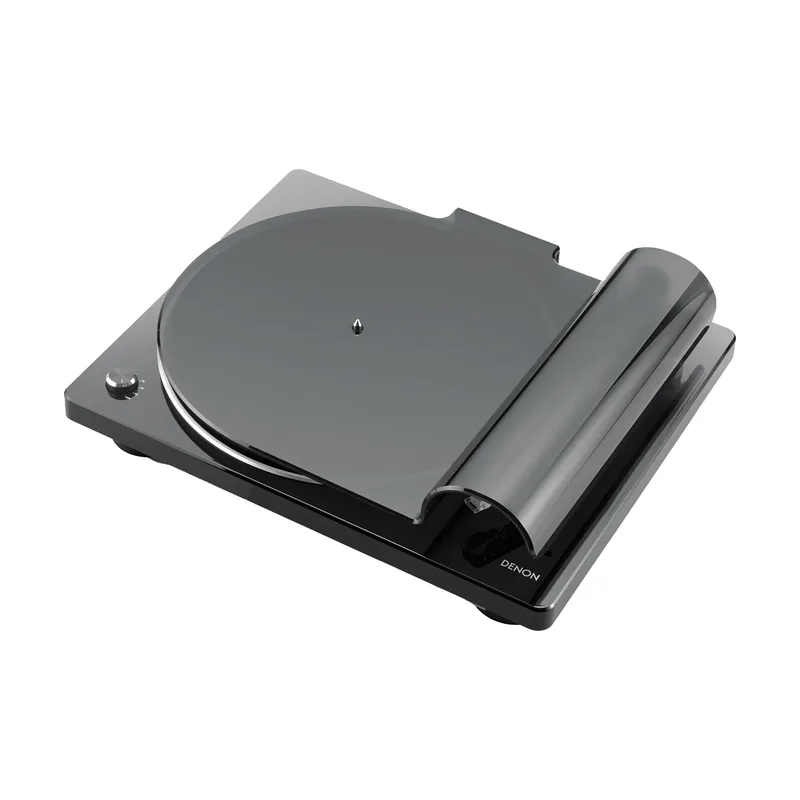
| Source | Plays the music: a turntable, a CD player or a streamer. | The formats you really use, and a quiet, stable signal. | See products |
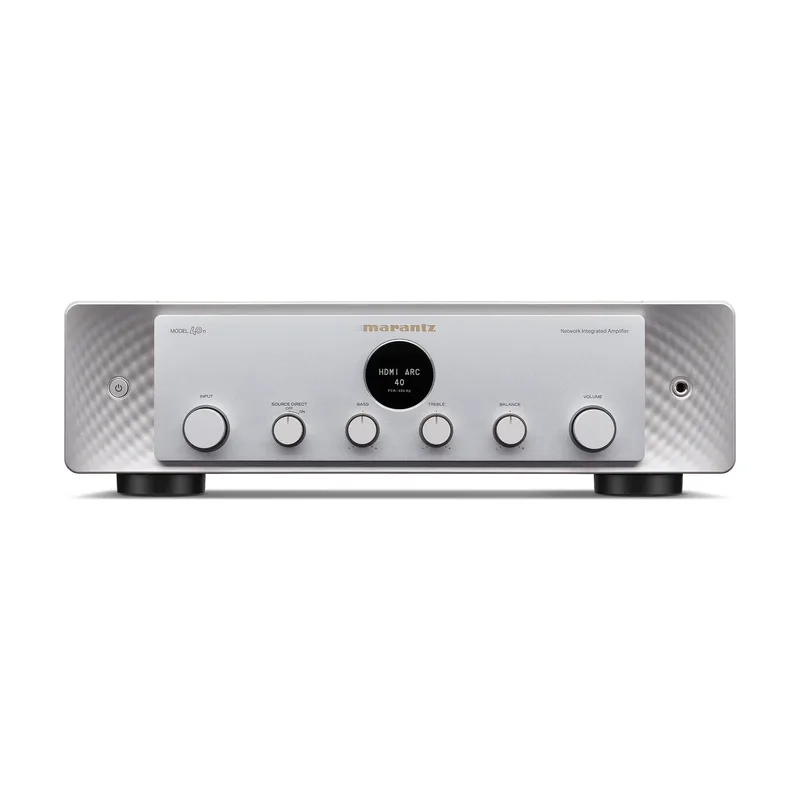
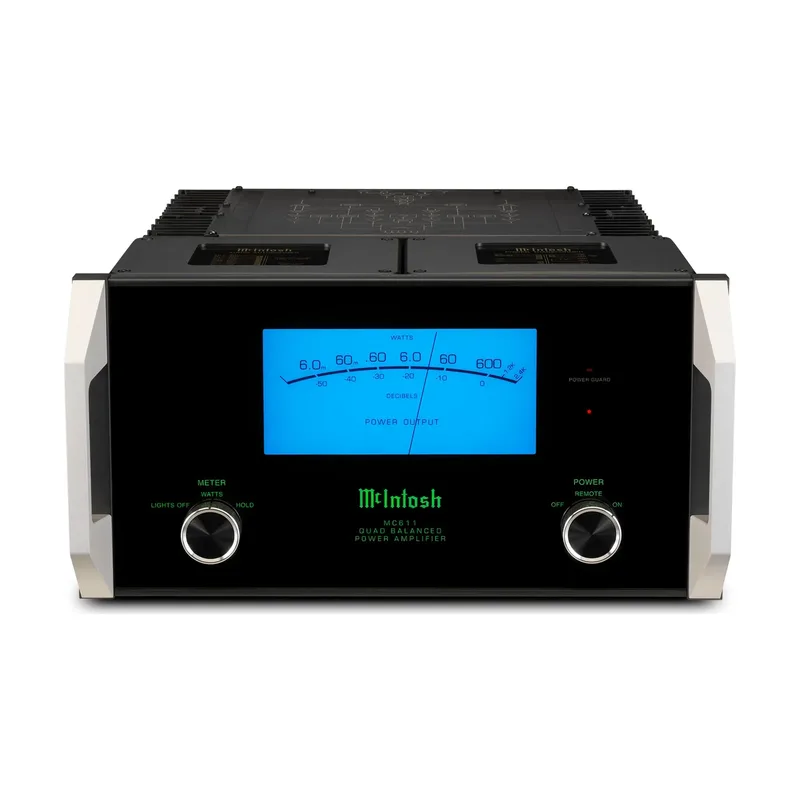
| Amplifier | Selects the source, sets the volume and drives the speakers. | Enough power for your speakers' sensitivity and impedance. | See products |
| Speakers | Turn the signal back into sound, and set most of the system's character. | A size that suits the room. Large speakers in a small room can make bass boom. | See products |
| Stands and racks | Hold the speakers at ear height and keep electronics steady. | Rigid stands, with tweeters level with your ears when seated. | See products |
Compare products
| Specification | 801 D4 Gloss Black | 804 D4 Satin Rosenut | 607 S3 White |
|---|---|---|---|
| Frequency response, low | 13 Hz | 20 Hz | 52 Hz |
| Frequency response, high | 35 kHz | 35 kHz | 28 kHz |
| Sensitivity | 90 dB | 89 dB | 84 dB |
| Nominal impedance | 8 ohms | 8 ohms | 8 ohms |
| Number of ways | 3 | 3 | 2 |
| Height | 1,221 mm | 1,071 mm | 300 mm |
| Weight | 100.6 kg | 36.9 kg | 4.7 kg |
Room guide
Power to reach 100 dB peaks at the seat from a pair of 88 dB speakers. A speaker 3 dB more sensitive needs half as much.
| Room | Seat to speakers | Speaker size | Power per speaker |
|---|---|---|---|
| About 15 m² | 2.2 m | Stand-mounted | 38 W |
| About 25 m² | 3 m | Compact floorstander | 71 W |
| About 40 m² | 4 m | Large floorstander | 127 W |
How we do it
- 01
Listen first
Bring music you know, and we start from what you like about it.
- 02
Match the system
We pair the amplifier and speakers that suit each other and your room.
- 03
Place it
Speakers and seat are moved until the stereo image locks in. Small moves make a real difference.
- 04
Settle in
We check it again once you have lived with it, and adjust where it helps.
Matched, then placed
We pair amplifiers and speakers that suit each other, then spend time on placement: a few centimetres change the stereo image more than most upgrades.
Questions
5
Can I hear a system before I buy?
Yes. Book an audition in the showroom and bring your own music.
Stand-mounted or floorstanding?
Stand-mounted speakers suit smaller rooms and short distances. Floorstanders move more air, so they reach lower and fill larger rooms.
How much power do I need?
Less than you may think, as each extra 3 dB takes twice the power. The room guide shows typical figures, and sensitive speakers need far less.
How far from the wall should speakers go?
Start with about half a metre, then adjust by ear. Closer to the wall adds bass, and further away usually improves depth.
Can I stream as well as play records?
Yes. Add a streamer to any amplifier with a spare input, or choose a streaming amplifier that has one built in.
Three ways to build it
Real products from our catalogue, as a starting point. Every system is then adjusted to the room.
First real system
Stand-mounted speakers, a streaming amplifier and a turntable.
Serious listening
Floorstanders, a valve amplifier and a dedicated streamer.
Reference system
Flagship speakers with separate power amplifiers and a top turntable.
Products for this room
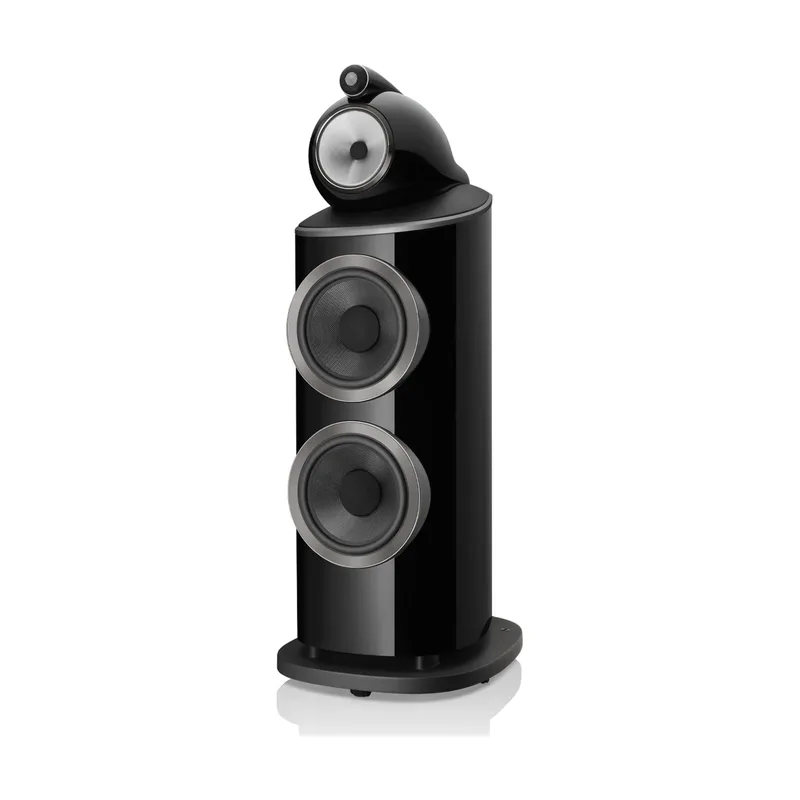 NewBowers & Wilkins801 D4 Gloss BlackPrice on requestCheck availability
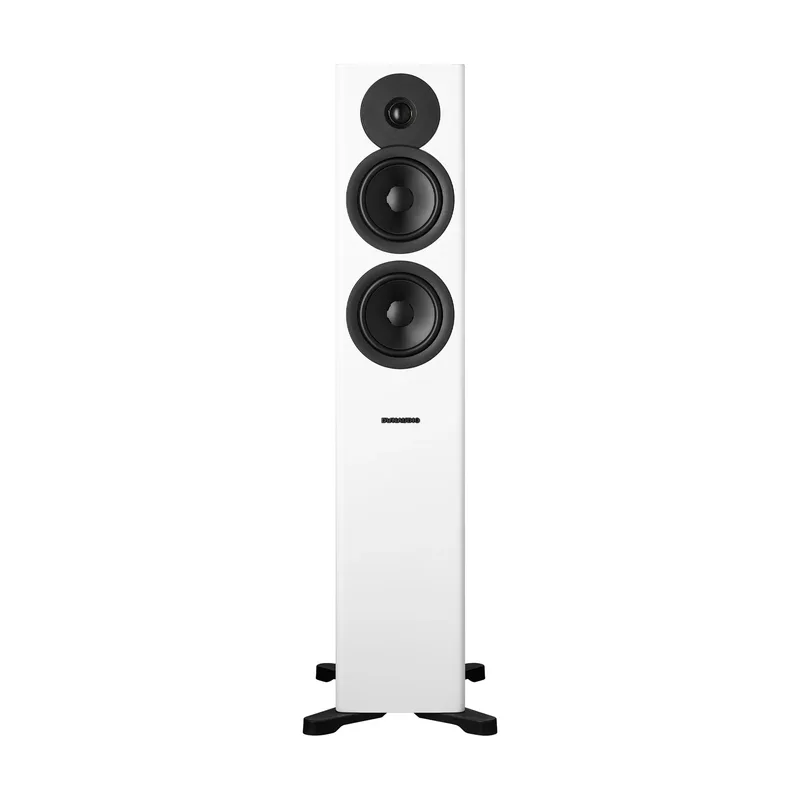 NewDynaudioEvoke 30 White High GlossPrice on requestCheck availability
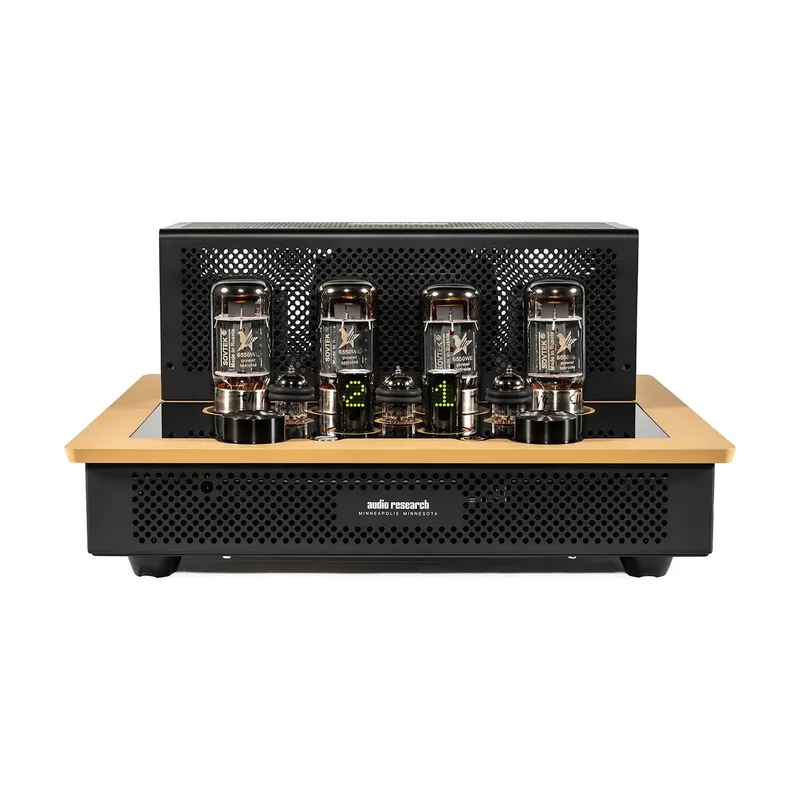 NewAudio ResearchI/55 GoldPrice on requestCheck availability
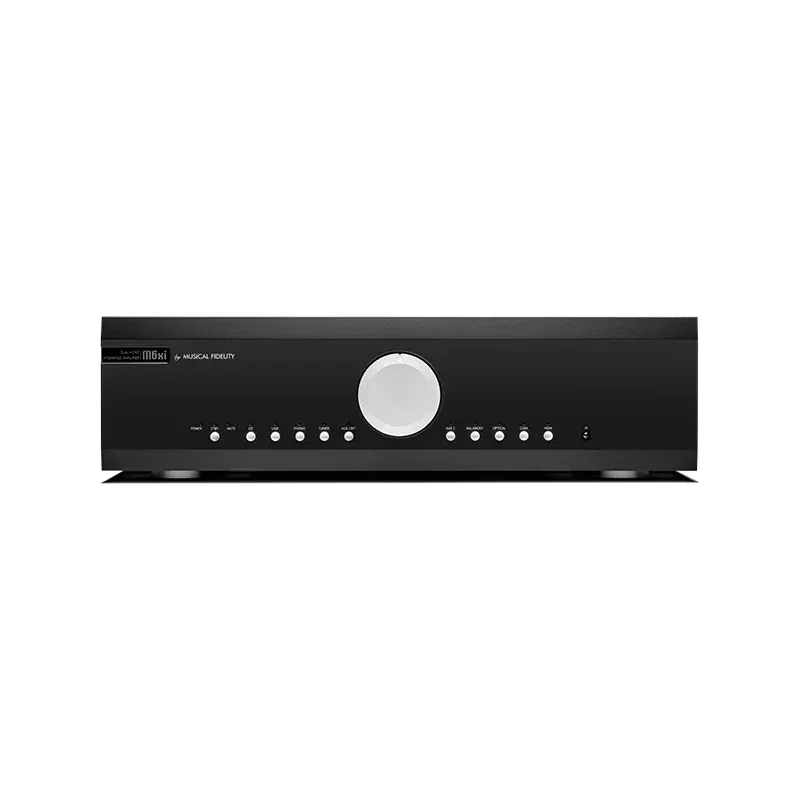 Musical FidelityM6xiPrice on requestCheck availability
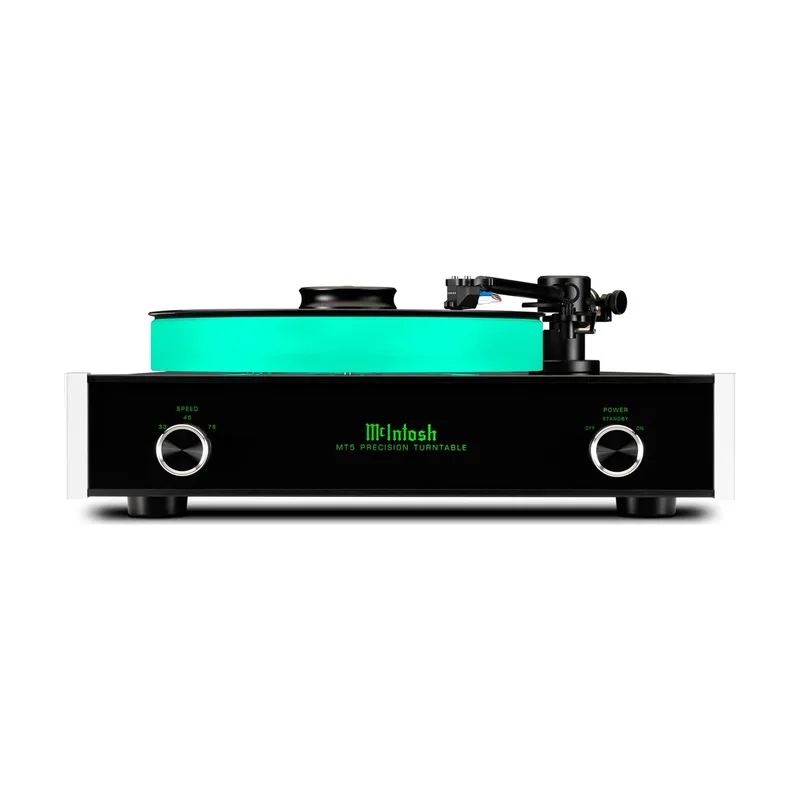 McIntoshMT5Price on requestCheck availability
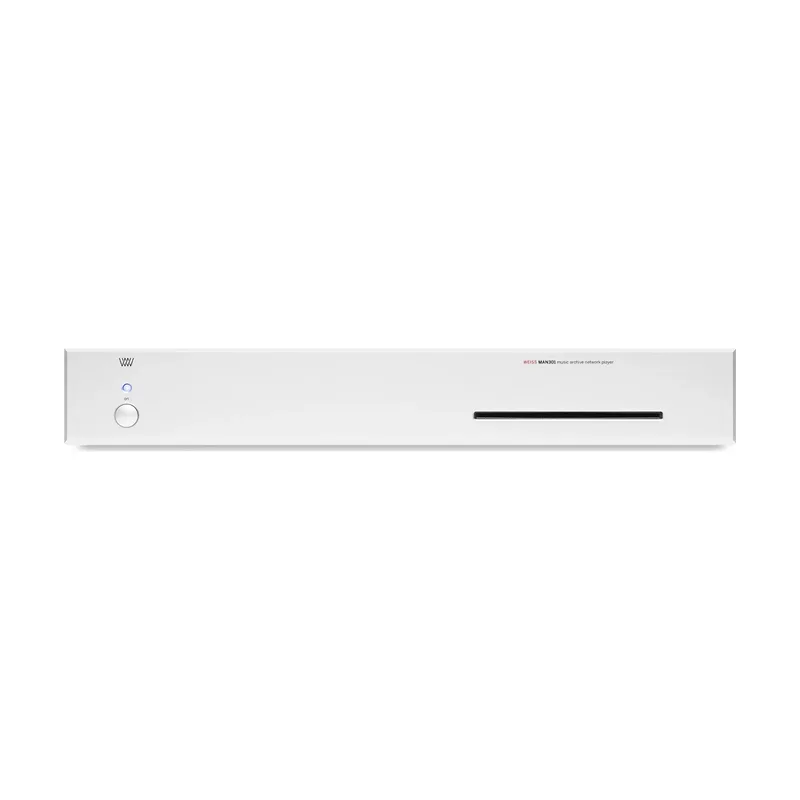 WeissMAN301Price on requestCheck availability
How we can help
- Design and installationFrom the first drawing to the last cable: one team designs, installs and hands over.
- Acoustics and calibrationMeasured treatment and set-up for cinemas and hi-fi systems, new or existing.
- Repairs and AMCRepairs and annual maintenance contracts for audio, video and control systems, including ones we did not install.
Plan it with a specialist
Tell us about the room and how you use it. We reply within one working day.
Book a consultation