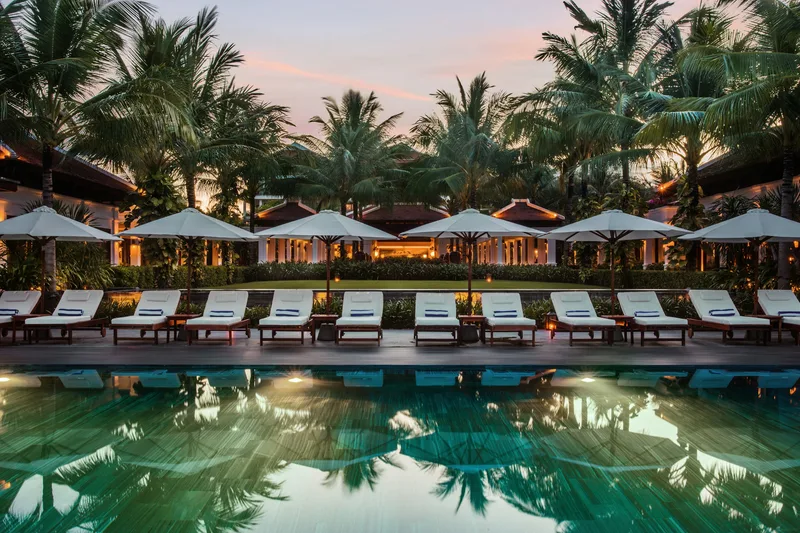
Hotels and restaurants
Guests judge a property by how it feels. We help it feel right every day, on systems your team can run without help.
Follow the guest, then the operator
A guest never thinks about your sound system. They notice that the lobby felt calm, that the room made sense, and that dinner didn’t need raised voices.
Your team notices something else. They want a system the night shift can run, rooms that stay on sale, and someone to call when a part fails.
This page follows both: the property in the order a guest walks it, then what operators ask of a system before signing it off.
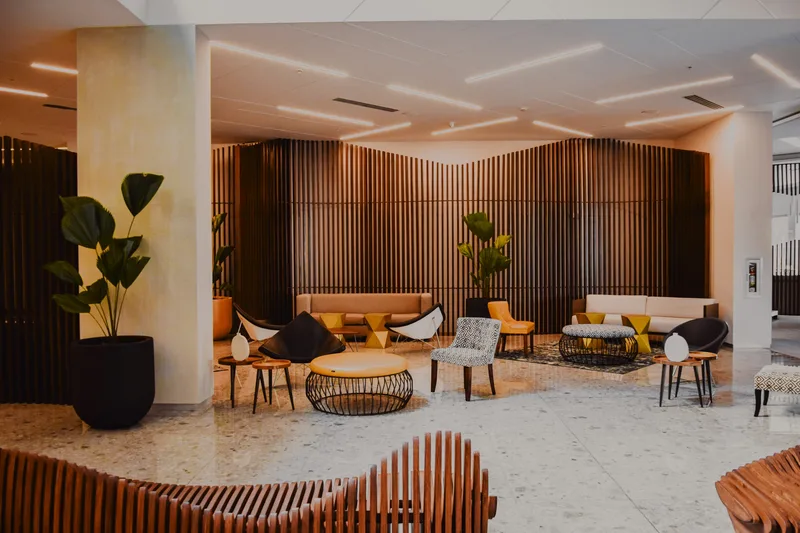
Arrival: the lobby and the bar
Sound here has to fill a tall, hard room without announcing itself, from morning coffee to late evening.
Music by the clock
Playlists and levels change on a schedule, light at breakfast and warmer as the bar fills.
Zones that stay apart
Lobby, lounge, bar and reception each run their own level, so the bar’s music stays there.
Sound for tall spaces
Atriums and marble smear sound. More speakers at lower levels keep music even and speech clear.
Terrace and pool
Weather-rated speakers carry the same mood outdoors, with levels set to respect the balconies above.
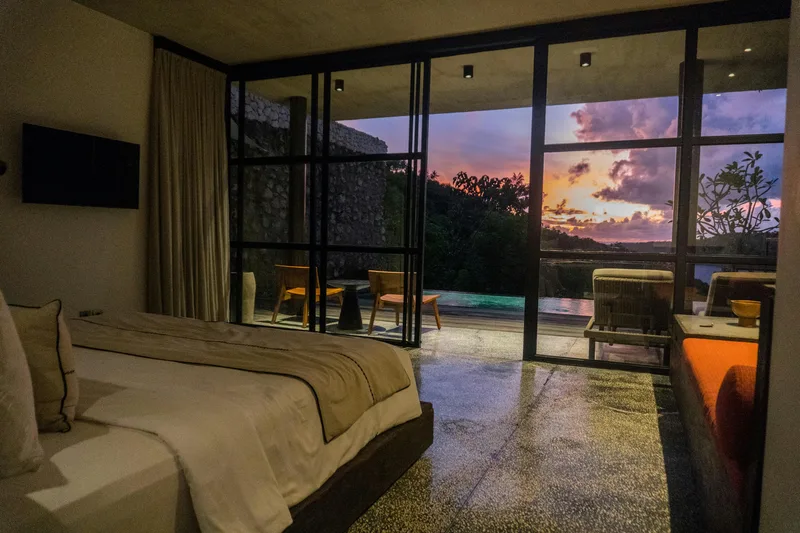
The room: understood in ten seconds
A tired guest arriving at midnight should find the lights, curtains and TV without ringing reception.
Keypads that explain themselves
Labels in English and Arabic, one master switch by the bed, and scenes named for what they do.
Ready on arrival
At check-in, the room can set its lights, curtains and cooling, then hand control to the guest.
Their shows on your screen
Guests cast from their own phone to the room TV, and the link ends at check-out.
A limit on volume
TV and speaker levels are capped, so one guest’s late film stays out of the next room.
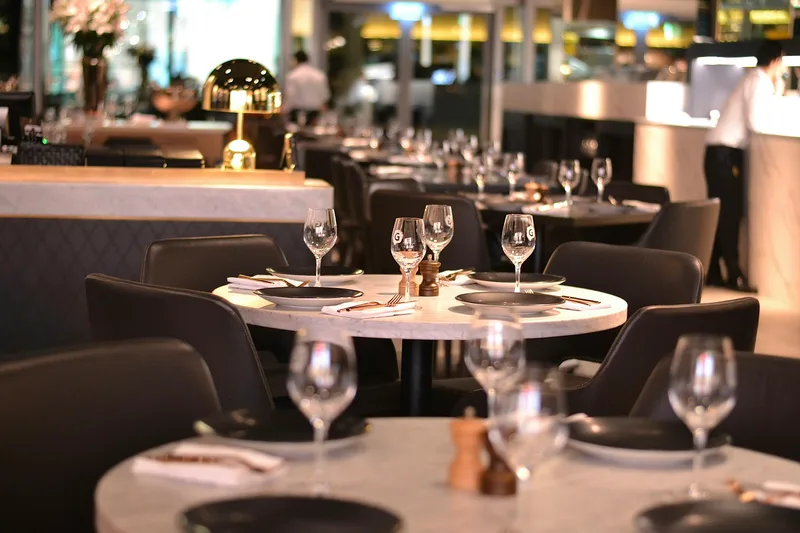
Dinner: heard, not noticed
Even coverage matters more than volume. Every table should hear the music and still talk without leaning in.
No table in a hot spot
Several small speakers at low level beat two loud ones, because nobody sits under the sound.
Stop the room getting louder
Hard surfaces make diners talk louder, then everyone does. We advise on absorption that suits the interior.
Limits for a busy night
Staff get one simple control with set limits, so the level can’t creep up through the evening.
Private dining
Private rooms run their own music and level, with a screen and microphone for client dinners.
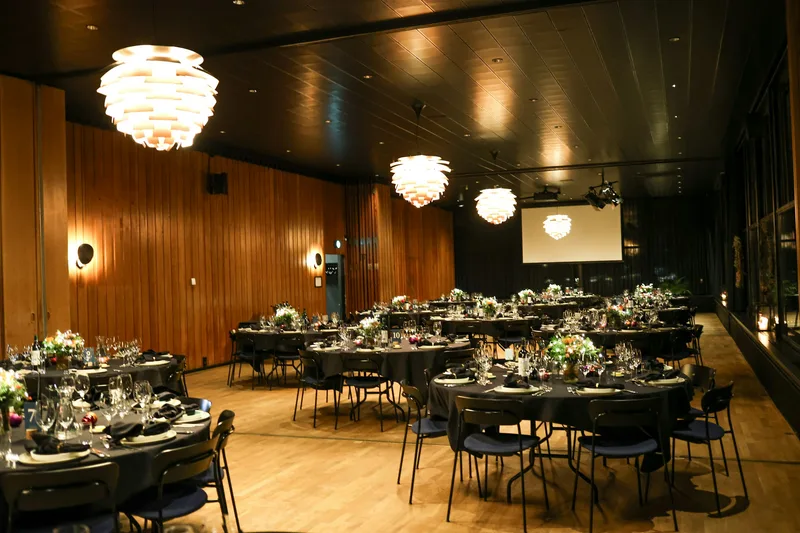
The event: a ballroom that keeps changing
One room can host a conference at nine and a wedding at seven. The system has to keep up.
Divide and combine
When partitions move, saved layouts follow, so each section runs alone or the whole room runs together.
Speech at the last table
Long, low rooms need speakers spread along the ceiling and timed together, so speeches stay clear.
Plug in and go
Wall inputs at the stage let a visiting DJ, band or presenter connect without loose cable.
One event, two halls
Some events run in two halls at once. Link sound and video between them, or keep each independent.
What operators ask of a system
Hold any supplier to these points. They decide what a system costs you long after opening night.
Any shift can run it
A new duty manager should control every zone from one simple screen after a short walkthrough.
Rooms stay on sale
One failed device shouldn’t take a floor down, and room equipment should swap out between stays.
One standard across a group
The same controls, parts and documents at every property, so training and spares carry across.
Spares in your own stores
A spares list sized to your room count makes a common failure a quick change.
Support you can plan for
A maintenance contract sets out planned visits, checks and who to call, with all work recorded.
From first meeting to opening night
Meet the people who run it
We meet operations, engineering and design. You get a written scope, area by area.
Prove one model room
Your staff test one model room. You get drawings, schedules and a quotation for the standard.
Roll out around occupancy
We work floor by floor, to your opening date or around live bookings.
Train every department
Each team gets a session. You get as-built drawings, settings and a spares list.
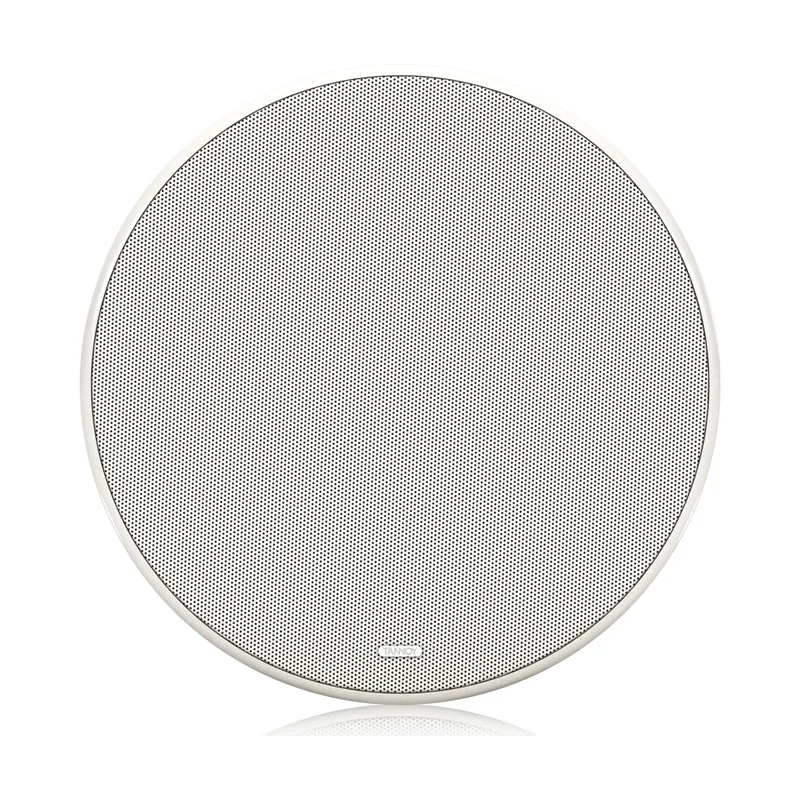
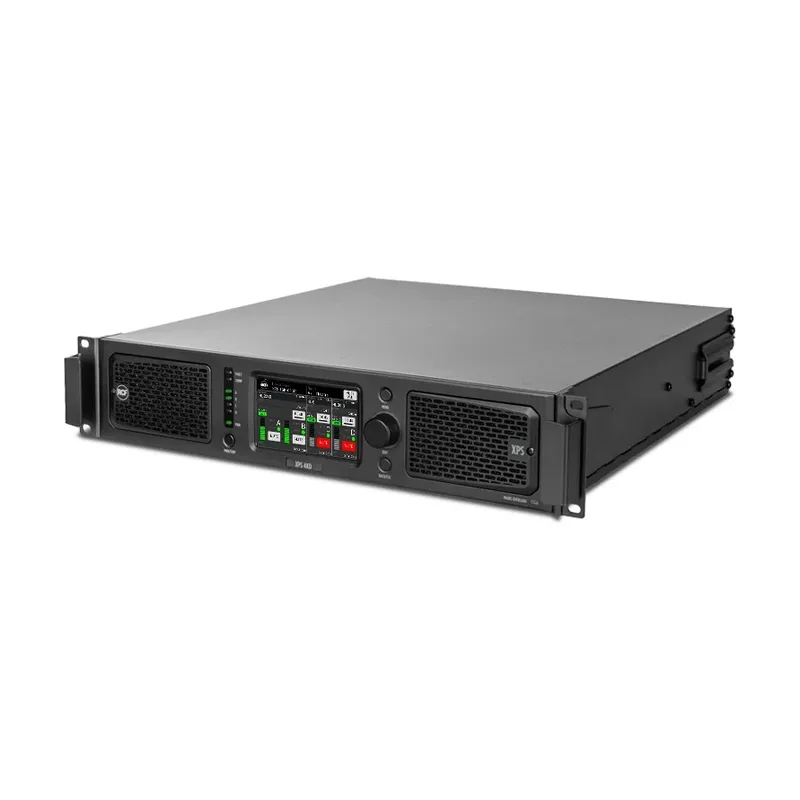
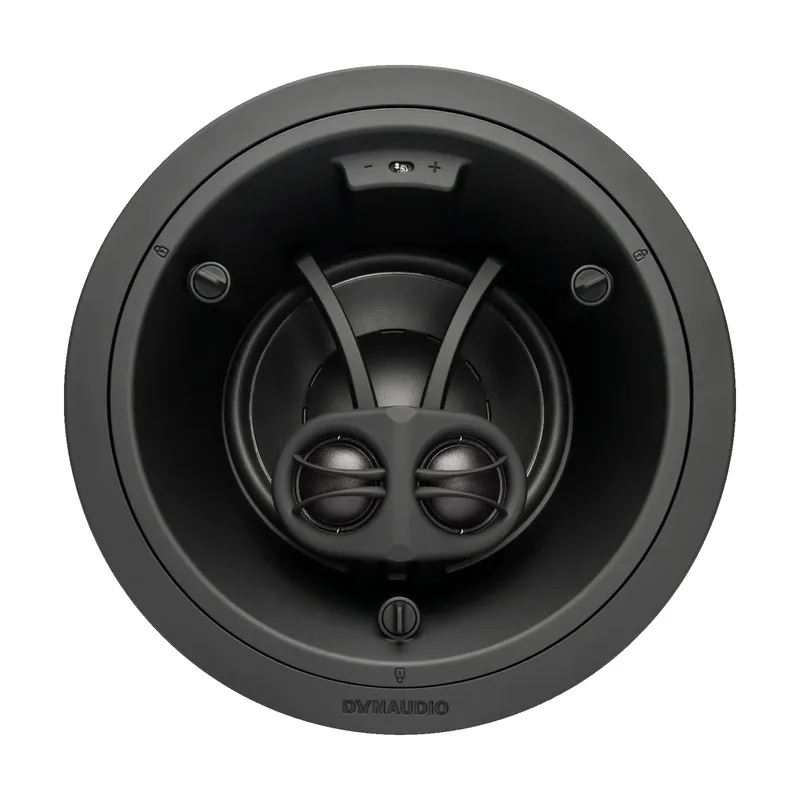
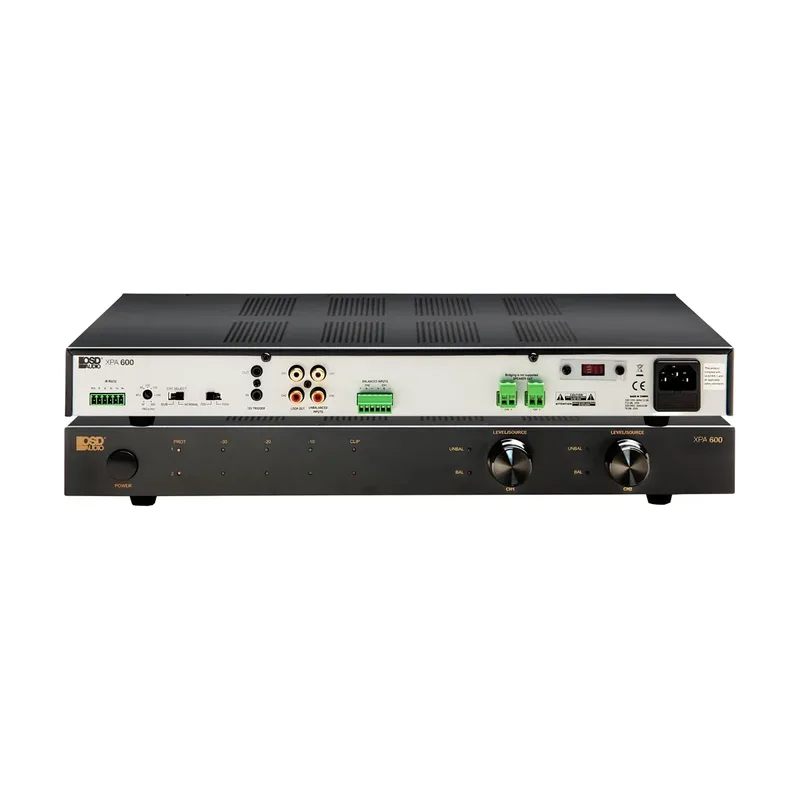
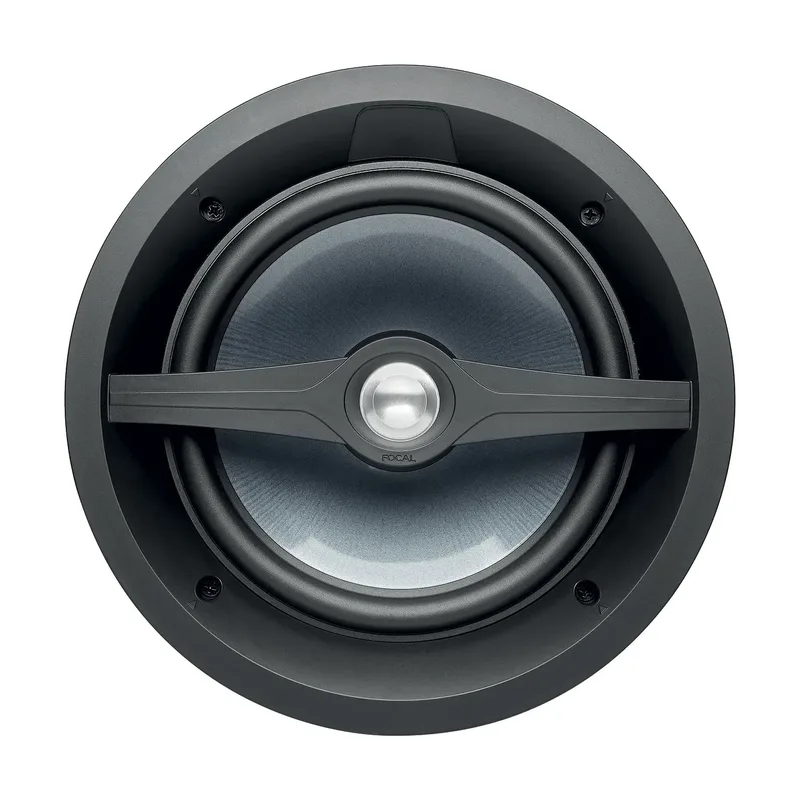
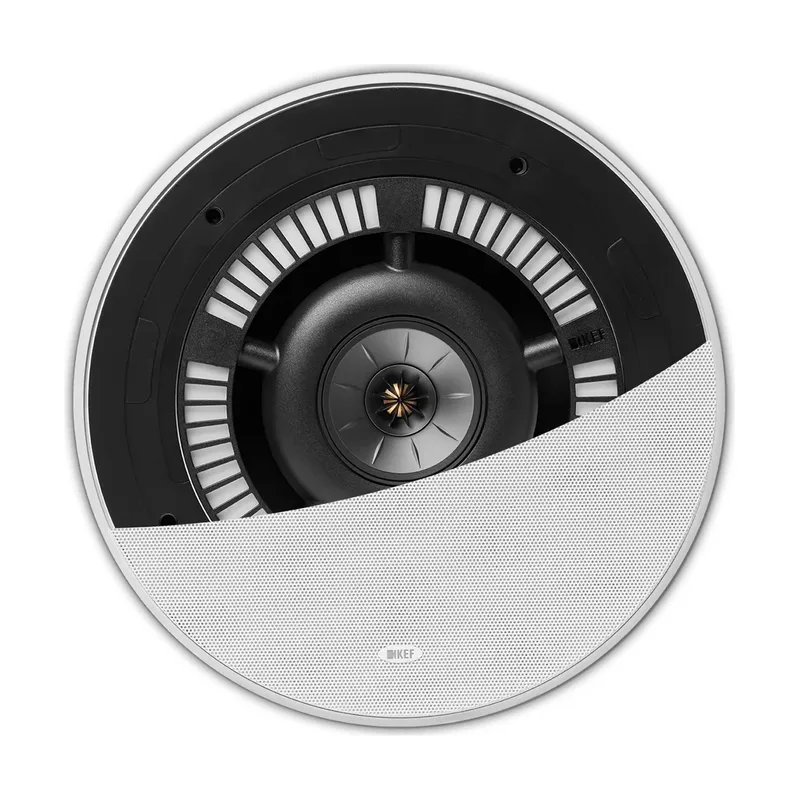
Ceiling speakers and amplifiers for guest areas
Hotel questions
Can you work while the hotel stays open?
Yes. We close only the rooms we’re in, and agree set hours for anything noisy.
Can every property use the same system?
Yes. We set one standard, adapt it to each building and record the differences.
Will the ballroom disturb the rooms above it?
That depends on the structure. We check what sits above each venue, then set level limits.
Can the rooms link to our property management software?
Often, yes. It depends on the software, so we confirm it at design stage.
Bring us the property
Send us your room count and types, floor plans, venue list, brand standards and opening date. For an open property, add your occupancy pattern and what’s installed today.