Warehouses and factories
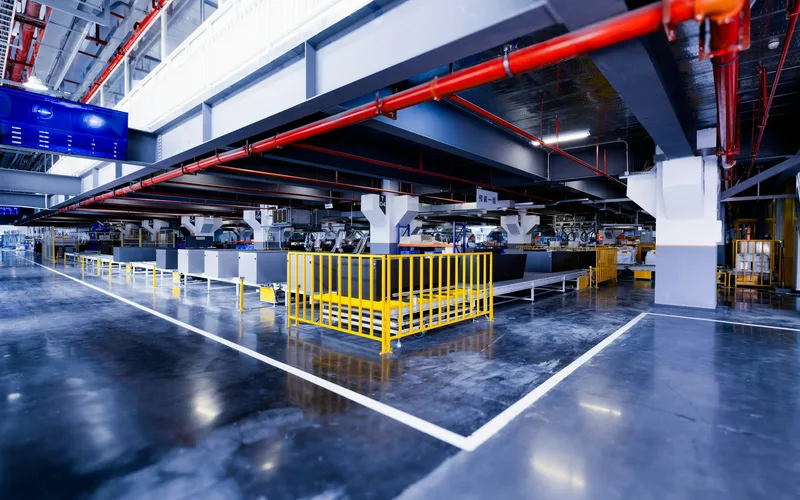
Large buildings swallow sound and block signals. We design for the distance, the height and the noise of the working day.
Heard at the far end of the aisle
A warehouse is one of the hardest places to be heard. Roofs are high, floors are hard, and forklifts and conveyors run all day. Turn an ordinary speaker up and the message only gets louder, not clearer.
Connection has the same problem. Steel racking and full pallets change how Wi-Fi travels, so a scanner that works at the door can drop out halfway down an aisle.
We plan for both: the words your team needs to hear, and the signal their handhelds rely on.
Paging that gets through
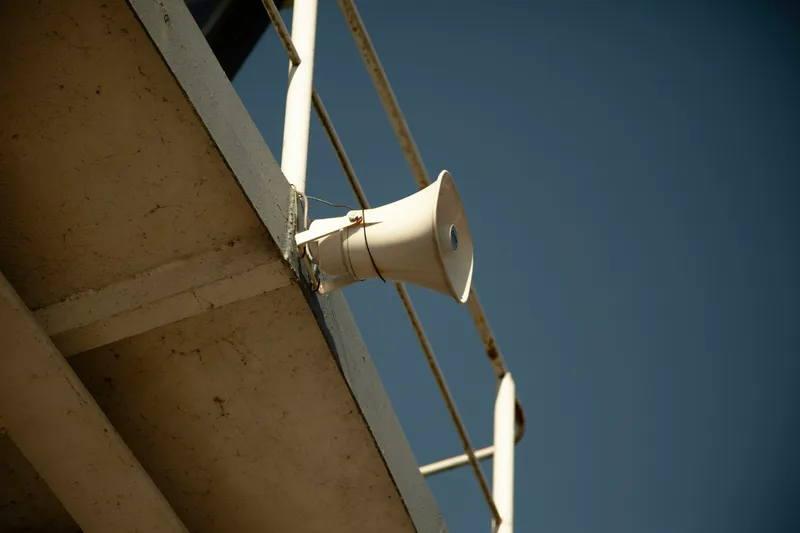
On a loud floor the right speaker matters more than the biggest amplifier. Horns aim speech at the people, not the roof.
One bay or the whole site
Call one bay, one hall or the entire site from the same microphone, without disturbing anyone else.
Speech comes first
A page cuts in over background music automatically, and the music returns when the message ends.
A tone before the words
A short chime before each message makes people look up, so the first words aren’t lost.
Built for bays and yards
Weather-resistant horns cope with the dust, humidity and heat of loading bays, where indoor speakers soon fail.
Planning for noise and distance
These are everyday communication systems for paging, announcements and music. In a big building, they depend on planning.
Clarity before level
A message must be understood, not just loud. Speech has to sit clearly above the noise without exciting echoes in the roof.
Zones that follow the work
Zones follow the noise and the job, so a press hall runs louder while canteens and offices stay calm.
Horn or ceiling speaker
Horns throw speech far and suit high, loud spaces. Ceiling speakers give softer, wider sound for offices, canteens and low roofs.
70 V and 100 V lines
The amplifier sends a higher voltage at lower current, so long cable runs lose little power and one amplifier drives many speakers.
Wi-Fi around racking
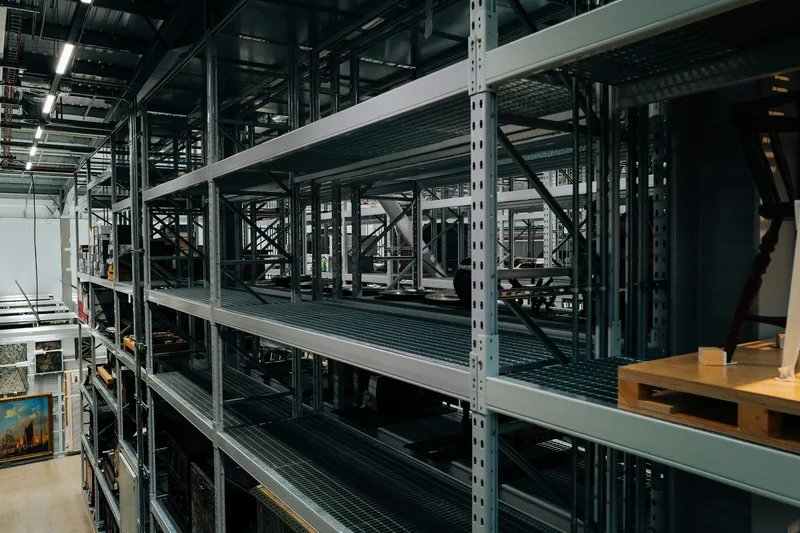
Steel racking reflects signals and full pallets absorb them, so we plan coverage along the aisles with the stock in place.
Coverage down every aisle
Racking turns a hall into narrow corridors, so sound and signal have to be planned along them.
Aimed along the aisle
Speakers mounted on columns or rack ends fire down the aisle, so the far end hears the same words.
Clear of the forklifts
Speakers, access points and cables sit above mast height or behind protection, away from daily knocks.
Tuned for the building
Levels and timing are set on site, so overlapping speakers don’t smear words for anyone standing between them.
Where ear defenders are worn
Someone in ear defenders can miss a page. We mark those areas and agree how messages should reach them.
Run from one desk
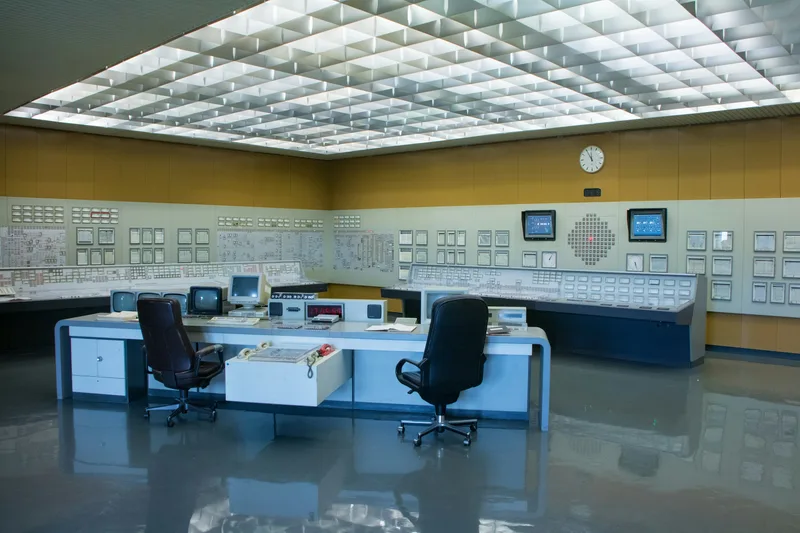
Whoever makes the announcements shouldn’t need an engineer beside them. One simple desk station reaches the whole site.
Zones in plain words
Labelled buttons name each zone in plain words, so a shift supervisor picks the area and speaks.
Breaks on a timer
Shift changes, breaks and start-of-day messages play on a schedule, so nobody has to remember them.
Messages in your team’s languages
Regular announcements are recorded once, in the languages your team speaks, and played at a button press.
Kept cool and clean
Amplifiers sit in a ventilated cabinet, away from dust and roof heat. A maintenance contract can keep them checked.
A site that stays connected
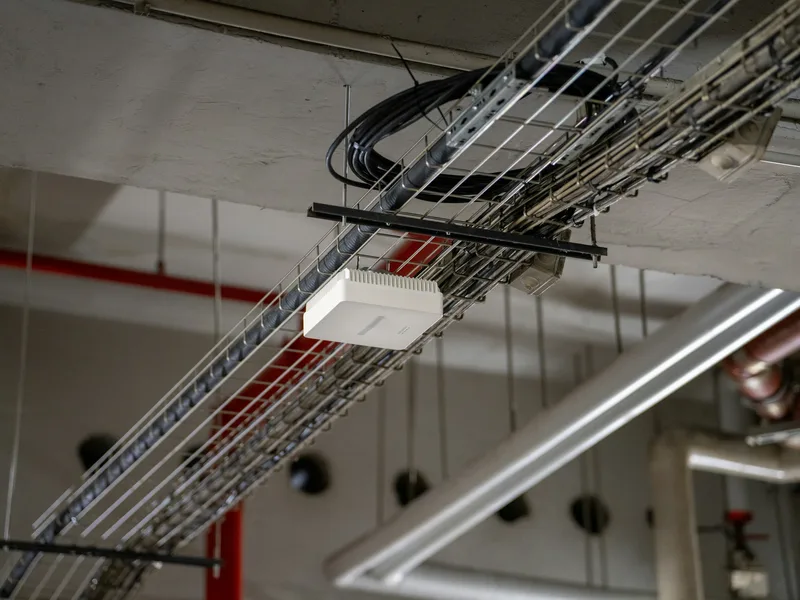
Scanners and forklift terminals need steady coverage more than top speed. When the Wi-Fi drops, picking stops.
Handover on the move
Handhelds pass from one access point to the next as people walk, so a scan isn’t lost mid-aisle.
Fibre for long runs
Copper network cable stops at 100 metres, so long runs and links between buildings use fibre instead.
Scanners and offices kept apart
Scanners, office computers and visitors sit on separate networks, so one busy group can’t slow another.
Offices on the same plan
Site offices and meeting rooms can share the plan, with softer speakers and suitable screens.
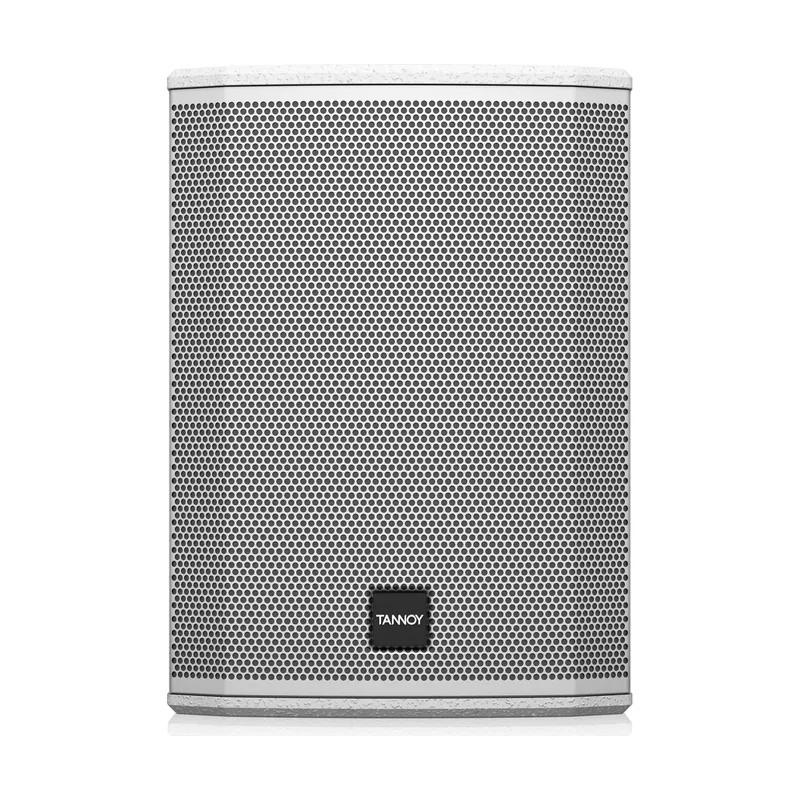
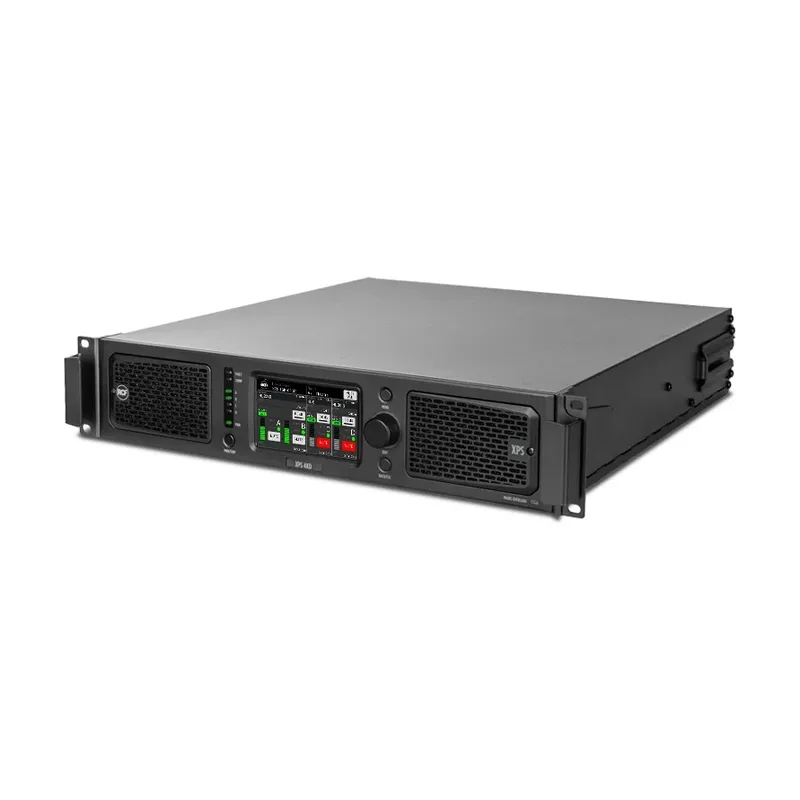
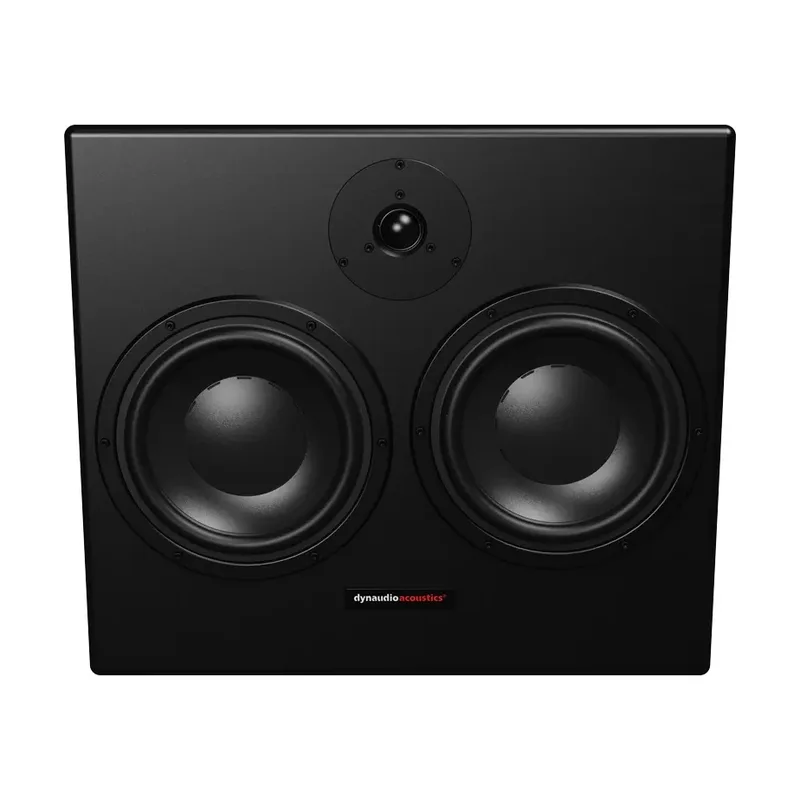
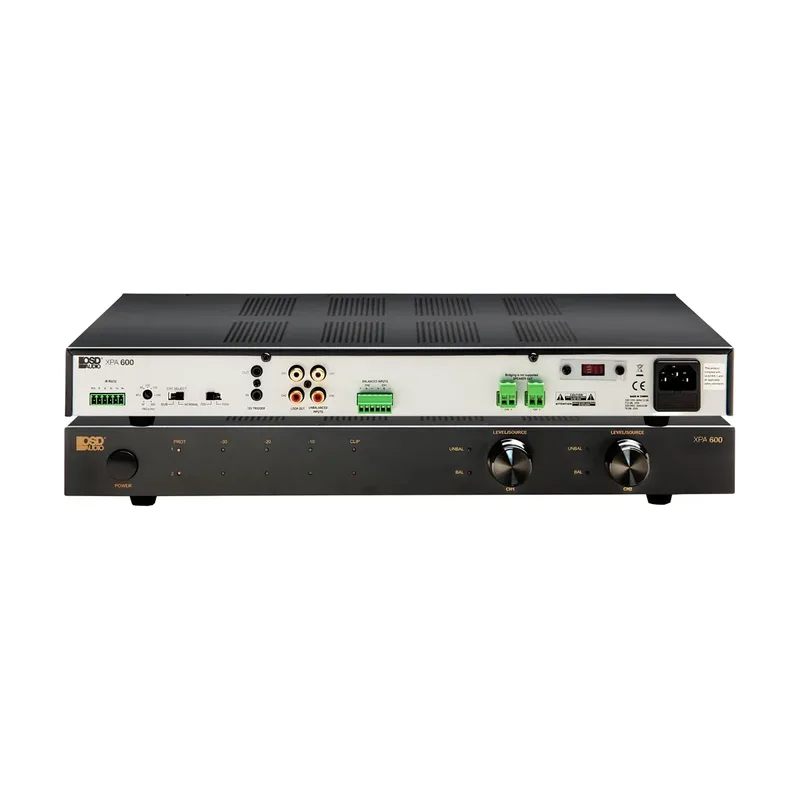
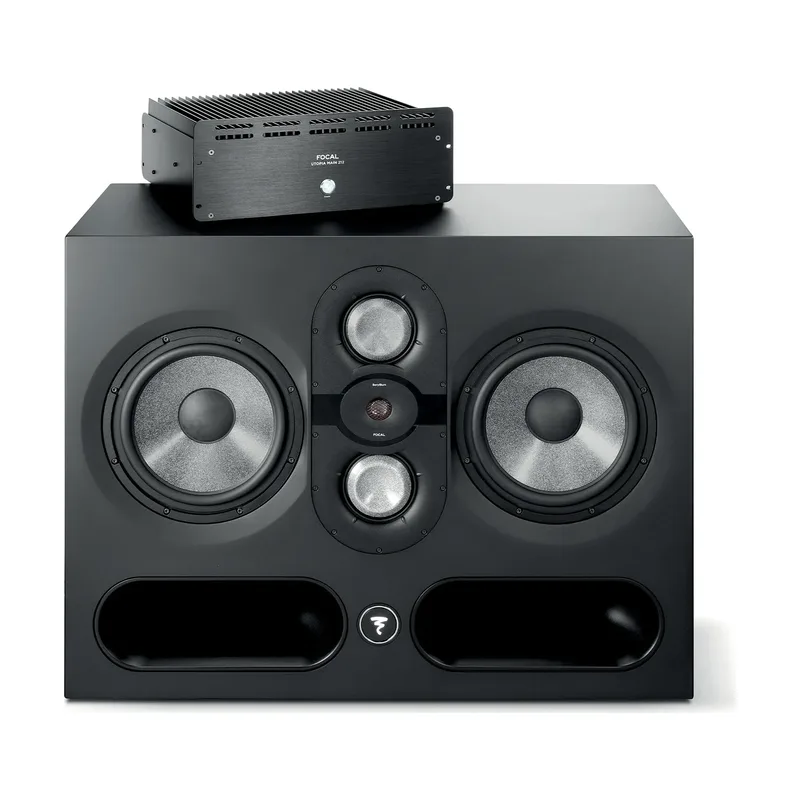
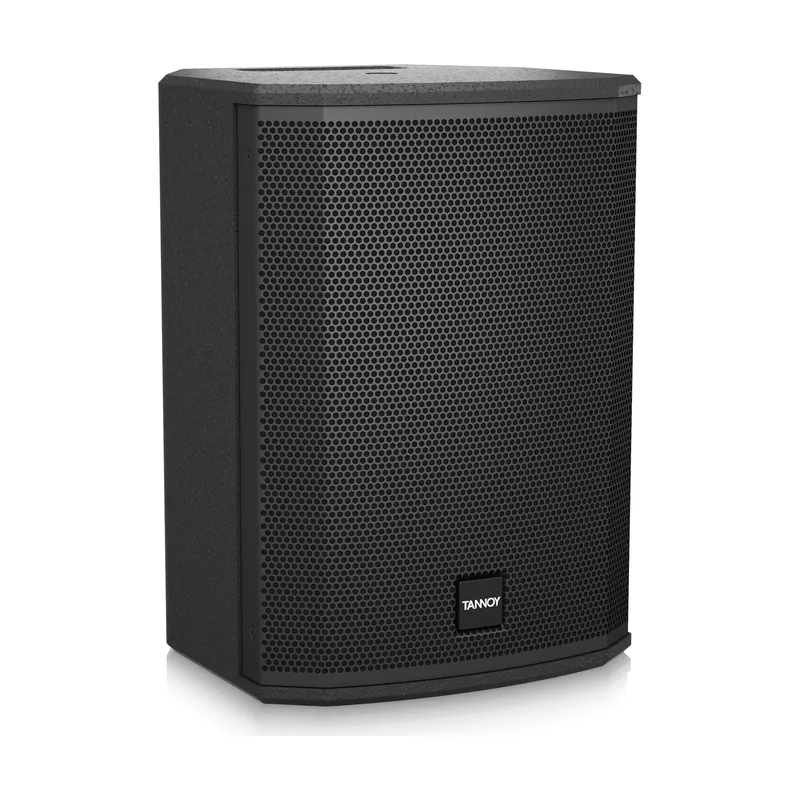
Amplifiers and speakers for big buildings
From site walk to tested zones
Walk the site
We check the layout, roof heights and noise during a real shift. You get a written scope.
Map the zones
You get a zone plan, speaker and access point positions, an equipment schedule and a quotation.
Work to your site rules
We follow your safety rules and shift patterns, so operations keep moving.
Test with the machines running
We test each zone during normal working noise, and walk the aisles with a live scanner.
Hand over to the shift
Supervisors learn the desk. You receive the zone plan, amplifier settings and test results.
Warehouse questions
Is this a fire alarm or voice evacuation system?
No. These are everyday communication systems for paging, announcements and music, and they don’t replace either. Fire alarm and voice evacuation systems are separate, approved systems.
Can we play music on the working floor?
Yes, in the zones you choose. Horns favour speech, so areas for music usually need a fuller speaker.
Can we reuse our old speaker cabling?
Often, if it’s sound. We test each line against the new load.
We’re re-racking next year. Should we wait?
Not necessarily. Share the new layout and we plan zones and access points around it.
Planning paging or Wi-Fi for your site?
Send us site plans, roof heights, your racking layout, shift pattern, loudest areas and any site rules for contractors. Say if you need paging, Wi-Fi or both.