Open or closed headphones: how to choose
Open-back and closed-back headphones suit different rooms and habits. Here is how each is built, how each sounds and where each belongs.
8 October 2026 · By Alpha Audio
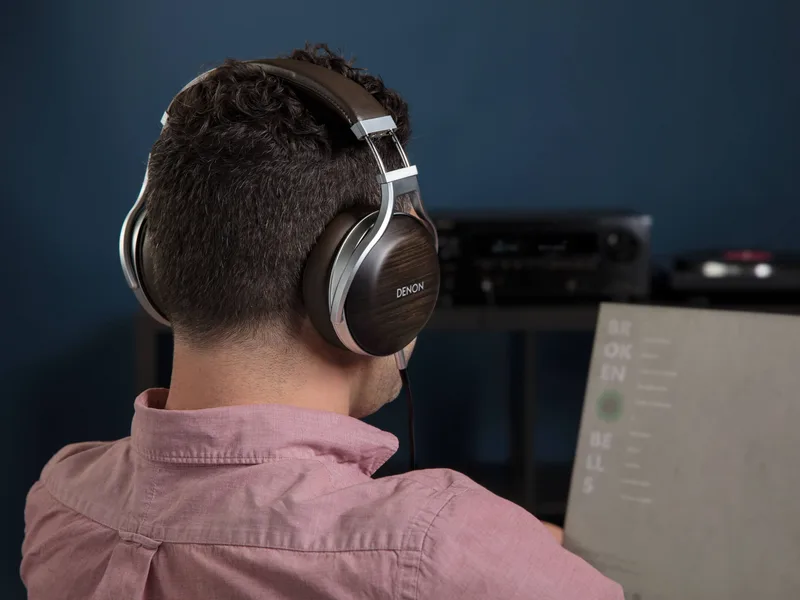
How each is built
Both types place a small driver close to your ear. The difference is what sits behind it.
Open-back headphones have a vented outer shell, so air and sound pass freely through the back of the driver. Closed-back headphones seal that space with a solid cup, which keeps more sound in and more of the room out.
How each one sounds
Open-back pairs tend to sound spacious. With less sound reflecting inside the cup, instruments can seem to sit further out rather than wholly inside your head, and voices often come across as natural.
Closed-back pairs tend to sound closer and more direct. The seal helps bass feel firm and present, though the sense of space is usually smaller.
Neither is more correct. Play the same few familiar tracks on both and notice which one you stop thinking about.
Leakage, isolation and where each fits
Open-back headphones leak. People nearby can hear a thin version of your music, and you will hear the room in return: the air conditioning, a conversation, a door closing. That suits a quiet study or a late evening alone.
Closed-back headphones keep more to themselves, which makes them the natural choice for a shared living room. They also suit flights better, although a passive seal blocks high cabin noise more readily than the low engine drone.
Comfort over long sessions
Open-back pairs usually feel cooler, because air can move around your ears. Closed cups can grow warm, particularly with leather-style pads.
Weight and clamping pressure matter as much as the design. A pair that feels fine for five minutes may not feel fine after an hour, so give any headphones a proper trial before you decide. If you wear glasses, try them on with those too.
Do you need a headphone amplifier?
Often not. Many headphones are designed to run well from everyday sources such as a laptop or a phone.
Pairs with high impedance or low sensitivity ask more of the source, and a dedicated amplifier can help them sound fuller and better controlled. As a rule of thumb, if you are near full volume and the sound still seems thin, an amplifier is worth trying.
Our staff can help you match headphones to what you already own. When you are ready, come and listen in our showroom, and bring a few tracks you know well.